
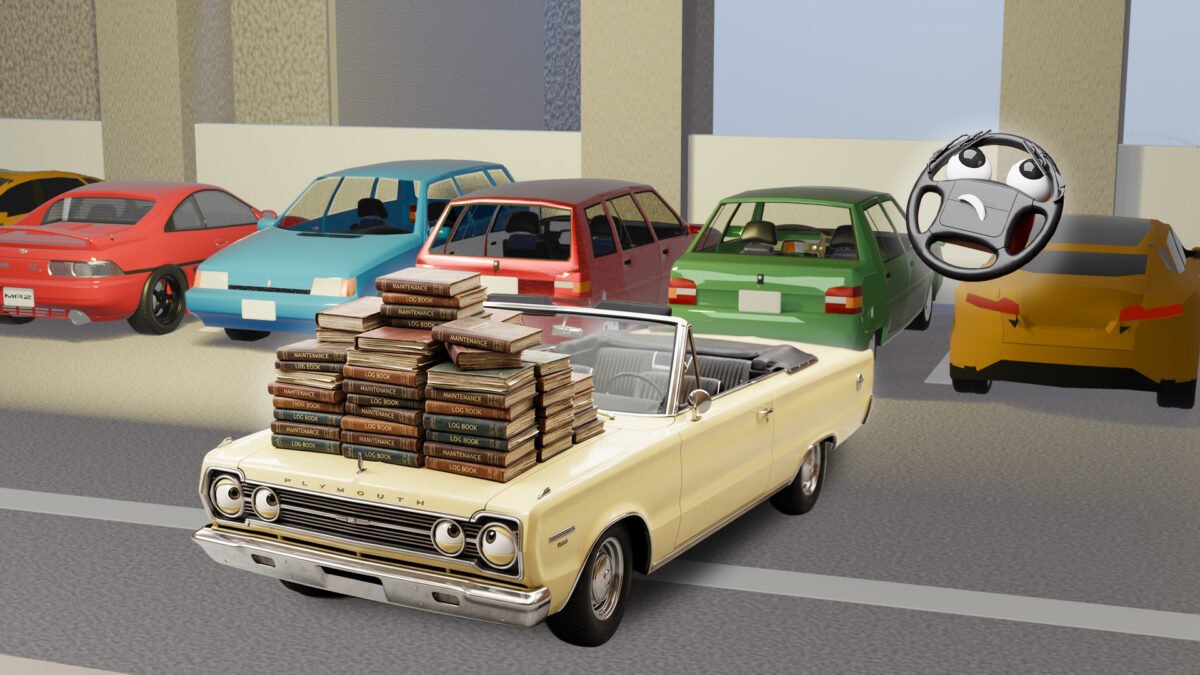
Armando genuinely cannot say, with any confidence, when he last changed his oil. He has a rough sense — “sometime this spring, probably” — built entirely on vibes rather than any actual record, and if you’d asked him to explain why he’s never written any of it down, the honest answer is that it never felt like something he was the kind of guy who did.
Log books felt like a thing serious car people kept. He just drives the thing.
🧠 Here’s the Secret: It’s Not About Being a “Car Person”
A maintenance log isn’t a badge of automotive seriousness — it’s just a to-do list with dates on it, and you already know how to keep one of those.
If you’ve ever jotted down a doctor’s appointment or set a reminder to renew your license, you already have every skill this requires.
The only thing standing between Armando and a maintenance log is the belief that it belongs to a different kind of person than him. It doesn’t. It belongs to anyone tired of guessing.
📝 Why Your Memory Alone Genuinely Isn’t Enough
This isn’t a personal failing. Car maintenance happens infrequently enough, and blends together closely enough from one service to the next, that “I’ll just remember” quietly stops working for basically everyone somewhere around the second or third year of ownership.
You’re not bad at this. Nobody’s memory is built for it.
✍️ What Actually Belongs in the Log
Date, mileage, and specifically what was done — oil type and brand, which filter, which shop if you didn’t do it yourself.
That’s genuinely the whole format. No categories to master, no special vocabulary, just four or five words and two numbers, written down in the same place every time. Every time.
💰 The Payoff That Shows Up Later, When You Least Expect It
A documented maintenance history is a genuinely persuasive selling point when the time comes to sell or trade the car in — real, concrete proof it was cared for, not just your word for it.
And in the meantime, it quietly prevents the kind of expensive mistake nobody plans for.
Without a record, it’s easy to either mistakenly pay for a service you already did, or skip one you assumed you’d already handled. Without it, you’re kind of at the mercy of the service guy.
📱 Paper or Digital — Whichever One You’ll Actually Touch Again
A glovebox notebook works exactly as well as a phone app, provided you actually use it consistently.
There’s no “correct” system here, only the one you won’t abandon after the second entry — so pick whichever one feels like the least friction, not whichever one feels the most official.
The glovebox version rides with the car, making it super convenient to update. But it needs a pen or pencil. Oops.
The digital version is always with you on your phone. But you need to remember to update it. Oops.
🌱 The Honest Encouragement
You don’t need to go back and reconstruct years of missing history to make this worth starting.
Write down today’s date and mileage, right now, even with nothing before it — and from this point forward, you’re simply not guessing anymore.
That’s the whole win. It starts the moment you write the first line, not once you’ve caught up on the past.
🛠️ Gear Worth Having
Vehicle Maintenance Log Book — a simple, glovebox-sized paper log for anyone who’d rather write it down than open an app.
Autel AL319 OBD2 Scanner — pairs naturally with a log — note the code, the date, and the fix together for a complete picture.
Haynes Repair Manual (for your specific vehicle) — keep it alongside the log so the schedule and the record live in the same place.
As an Amazon affiliate, I earn from qualifying purchases. Thank you for supporting GrumblePark.
🔗 Related Reads
- Maintenance vs. Repair: Why the Distinction Saves You Money
- How to Actually Read Your Owner’s Manual Maintenance Schedule
- Oil Changes: Conventional vs. Synthetic and Why Intervals Differ
GrumblePark is part of the WhistleBump Group — find the rest of the family at WhistleBump.com.
42008
©2026 John D Reinhart/GrumblePark.com — All rights reserved