
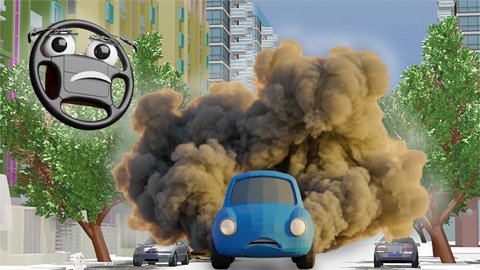
Amanda catches a distinct gasoline smell while driving one afternoon and, for one uncomfortable second, has to decide right there in traffic whether this is a keep-driving-to-the-next-exit smell or a pull-over-immediately smell. It’s the second one. Every time.
⚠️ Why Gasoline Is Different From Everything Else on This List
Gasoline vapor is genuinely flammable in a way that coolant, oil, and brake fluid simply aren’t in normal circumstances — a fuel leak near a hot exhaust component, an electrical spark, or any ignition source is a real fire risk, not a theoretical one. Every other smell on this list is worth investigating soon; this one is worth stopping for immediately.
🛑 What to Actually Do
Pull over safely as soon as you reasonably can — not the next exit five miles away, the next safe spot. Turn the engine off. Get out of the vehicle if the smell is strong, rather than sitting in the car troubleshooting. Do not attempt to start the engine again once you’ve confirmed a genuine fuel smell until it’s been inspected.
🔍 Common Sources, Once You’re Safely Stopped
A loose or damaged gas cap is the simplest and most common cause, and worth checking first — a cap that isn’t sealing properly lets fuel vapor escape from the tank. Beyond that, a cracked fuel line, a failing fuel injector, or a leak at the fuel pump or tank itself are all real possibilities that need a proper inspection, not a driveway guess.
💨 A Smell After Refueling Is a Different, Milder Situation
A brief gasoline smell right after filling up, especially if you topped off past the automatic shutoff or spilled a small amount, is usually just residual vapor that clears within a few minutes — genuinely different from a persistent smell that shows up during normal driving with no refueling involved.
⚠️ Never Try to Diagnose This One Yourself Under the Hood
Unlike a lot of the other symptoms on this list, an active fuel smell isn’t the moment for a DIY stethoscope-and-flashlight investigation — the safest move is stopping, staying clear, and getting it towed or inspected by someone equipped to deal with a fuel system safely.
🛠️ Gear Worth Having
First Alert AUTO5 Car Fire Extinguisher — small, mountable, and worth having in the car regardless — exactly the scenario it exists for.
XOOL Emergency Warning Triangle Kit — make yourself visible to traffic once you’ve safely pulled over and stepped away from the vehicle.
Kidde Portable Carbon Monoxide Detector — worth keeping in the car generally — fuel and exhaust-related issues are exactly the category of risk it’s built to catch early.
As an Amazon affiliate, I earn from qualifying purchases. Thank you for supporting GrumblePark.
🔗 Related Reads
- Knocking Under Acceleration: When to Worry
- Burning Rubber Smell: Belt, Tire, or Something Else
- Sweet or Syrupy Smell: Why That’s a Coolant Leak Talking
GrumblePark is part of the WhistleBump Group – learn more at Whistlebump.com.
47009
©2026 John D Reinhart/GrumblePark.com — All rights reserved