
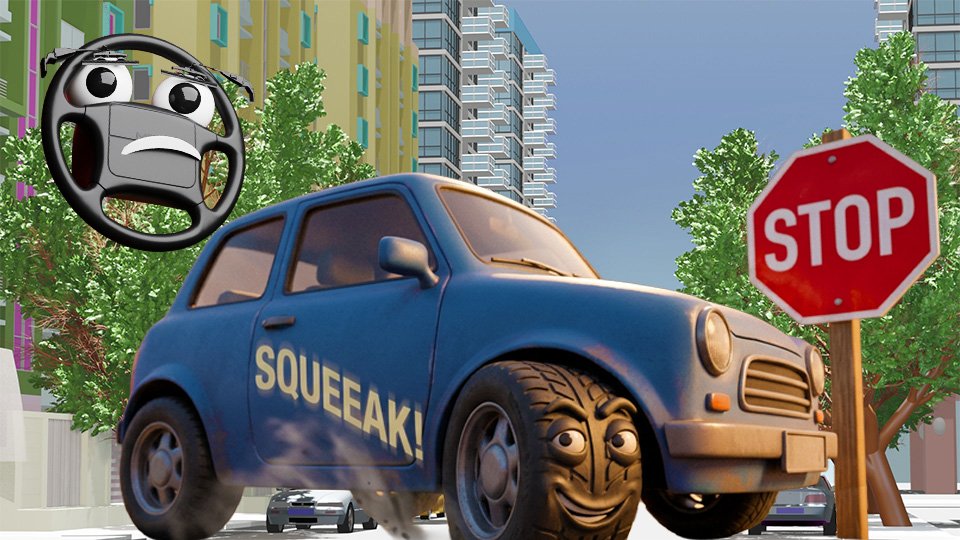
Armando hears a squeal from somewhere under the hood one cold morning and has, genuinely, no idea whether it’s coming from his brakes or his belt — both are entirely plausible, both sound roughly similar to an untrained ear, and both call for a different response entirely.
⏱️ When It Happens Is the First, Best Clue
A squealing belt is typically most noticeable at startup, especially in cold or damp weather, and often eases up once the engine’s been running a few minutes — sometimes reappearing briefly when you turn the wheel sharply or the AC compressor kicks on, both of which add load to the belt. A squealing brake happens specifically and consistently when you press the brake pedal, and goes silent the instant you release it.
👂 Location Is the Second Clue
A belt squeal comes from the front of the engine bay, generally centered rather than tied to one specific wheel. A brake squeal is localized to whichever wheel has the worn pad — often more noticeable from one side of the car than the other.
🔧 Why the Belt Squeals
A worn, glazed, or slightly loose serpentine belt slips against its pulleys under load rather than gripping cleanly — that slipping friction is what produces the squeal, most pronounced exactly when the belt is asked to do more work: startup, hard turns, AC engagement.
🔧 Why the Brake Squeals
As covered elsewhere, this is very often a deliberate wear indicator tab doing its intended job — a built-in early warning that a pad is getting low, meant to be noticed specifically during braking and nowhere else.
🧭 Why Getting This Right Matters
Both point toward genuine maintenance items, but on different timelines and different parts entirely — chasing a belt problem when it’s actually a brake wear indicator (or the reverse) wastes time and can let the real issue continue unaddressed while you’re looking in the wrong place.
🔍 When In Doubt, Isolate It
Coast to a stop without touching the brake pedal at all — if the squeal continues while rolling and unrelated to braking, it’s the belt. If it disappears entirely until you press the pedal again, it’s the brakes.
🛠️ Gear Worth Having
ABN Mechanics Automotive Stethoscope Kit — pinpoint exactly where a noise is coming from instead of guessing by ear alone.
BILITOOLS Serpentine Belt Tool Kit — the tools needed to actually inspect or replace a belt once it’s confirmed as the source.
Camrusic Brake Pad Thickness Gauge — slide it against the pad through the wheel for an exact reading, so you can describe exactly how bad it is to a shop instead of just saying “it grinds.”
As an Amazon affiliate, I earn from qualifying purchases. Thank you for supporting GrumblePark.
🔗 Related Reads
- Grinding When You Brake: What It Actually Means
- Rattling at Idle vs. Rattling Over Bumps
- Burning Rubber Smell: Belt, Tire, or Something Else
GrumblePark is part of the WhistleBump group – find the rest of the family at WhistleBump.com.
47002
©2026 John D Reinhart/GrumblePark.com — All rights reserved