
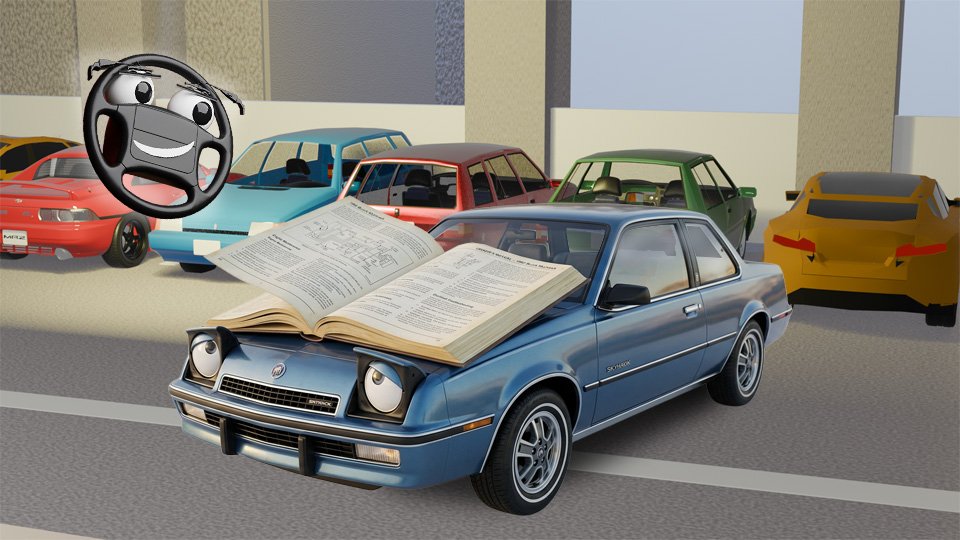
Amanda’s owner’s manual has lived in her glovebox, untouched, since the day she drove the car off the lot — a dense little book she assumes is mostly about which button does what, not something with actual useful instructions buried inside it. It has both. The maintenance schedule specifically is one of the most genuinely useful things in there, and almost nobody opens it.
📖 It’s Usually Two Schedules, Not One
Most manuals split maintenance into “normal” and “severe” driving conditions.
Now, to car makers, severe covers more than off-roading. Frequent short trips, extensive idling, stop-and-go city traffic, and extreme heat or cold all commonly count as severe.
A lot of ordinary commuters technically fall under the severe schedule without realizing it, which means shorter intervals than the headline number most people remember.
🔢 Reading the Interval Table
The schedule is typically laid out as a grid — mileage or time intervals down one side, specific services (oil change, tire rotation, air filter, spark plugs, and so on) across the top, with marks showing which service happens at which interval.
It looks intimidating mostly because of the density, not the content — each row is really just answering “at this mileage, what needs attention.”
⏱️ Mileage OR Time, Whichever Comes First
Nearly every interval is listed as both a mileage figure and a time figure (“every 5,000 miles or 6 months, whichever comes first”).
A car driven rarely still needs certain services on the time interval — fluids age and rubber degrades whether or not the odometer is moving.
🔍 Finding It When the Manual Feels Like a Maze
Look in the table of contents for “Maintenance,” “Scheduled Maintenance,” or “Service Intervals” — it’s almost always its own dedicated section, usually toward the back of the book.
Although you’ll find the maintenance schedule near the back of the book, don’t hesitate to take a moment and read through any topics that interest you on your way back there. The manual can be really helpful!
🧭 Why This Beats Guessing or Going by Feel
The schedule reflects actual engineering testing for your specific vehicle.
Following it is the single most direct way to avoid both wasting money on unnecessarily early services and risking damage from stretching intervals too far.
And, it’s the exact list to hand a mechanic or quick-lube shop so they’re servicing what’s actually due, not just whatever’s easiest to upsell.
🛠️ Gear Worth Having
Vehicle Maintenance Log Book — once you’ve found the schedule, this is where you actually track your progress against it.
Autel AL319 OBD2 Scanner — for the services the schedule doesn’t cover — an actual code reading when something goes wrong between intervals.
Haynes Repair Manual (for your specific vehicle) — a deeper, model-specific companion to the owner’s manual, useful for understanding exactly what each scheduled service actually involves.
As an Amazon affiliate, I earn from qualifying purchases. Thank you for supporting GrumblePark.
🔗 Related Reads
- How to Keep a Maintenance Log (and Why It’s Worth the Five Minutes)
- Maintenance vs. Repair: Why the Distinction Saves You Money
- How to Check Your Car Before a Long Road Trip
GrumblePark is part of the WhistleBump Group — find the rest of the family at WhistleBump.com.
42001
©2026 John D Reinhart/GrumblePark.com — All rights reserved