That Grinding Noise That Says You Waited Too Long

Grinding when you brake has one dominant cause, and it’s the one you were warned about with a much quieter sound first.

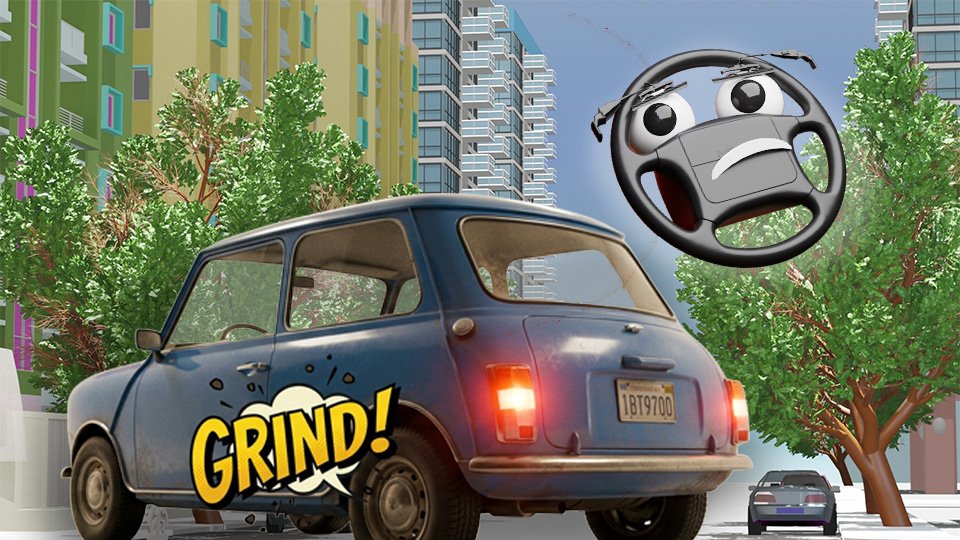
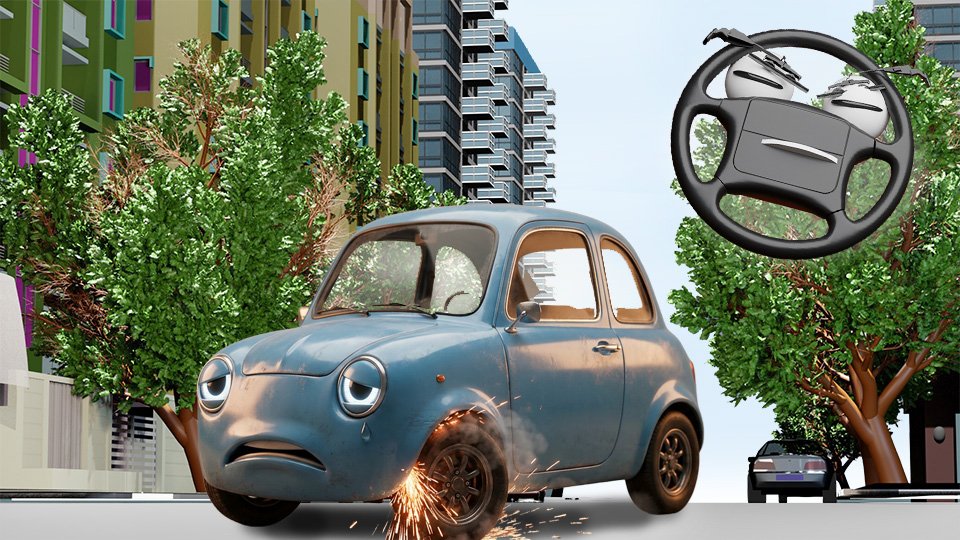
Armando heard a grinding sound from his front wheel one morning, turned the radio up slightly, and drove on it for another two weeks. Although it’s an easy fix, it’s the exact move that turns a moderate brake job into a considerably more expensive one. Turns out ignorance may not be bliss.

πŸ”§ Quick Refresher: What’s Actually Back There

Each wheel has a flat metal disc called a rotor, which spins along with the wheel. A brake pad is the part that presses against that spinning disc every time you brake β€” soft on purpose, so it wears down instead of the more expensive rotor underneath it. The pad itself is really a chunk of friction material glued to a thin metal plate called the backing plate, which is what actually holds it in the caliper. That backing plate matters in a minute.

πŸ”” The Squeal That Comes Before the Grind

Most brake pads include a small metal wear indicator -a tiny tab built right into the pad, designed to touch the rotor and produce a high-pitched squeal once the friction material’s gotten thin.

That squeal is an intentional early-warning feature, not a malfunction, and it’s meant to be annoying enough that you actually notice it.

⚠️ The Grind Is a Different, Later Stage

If the squeal goes unaddressed, the friction material eventually wears down completely β€” nothing left of the pad but that thin metal backing plate we just mentioned.

The grinding sound is that bare metal plate grinding directly against the rotor, metal on metal, with nothing left to actually do the job of stopping the car safely.

πŸ’° Why This Escalation Gets Expensive Fast

Replacing worn pads alone is a moderate, routine cost. But that metal-on-metal grinding gouges grooves straight into the rotor’s surface, turning what should’ve been a pads-only job into a pads-and-rotors job β€” often several times the original price.

The squeal-to-grind window is exactly the stretch where the cheap fix is still on the table.

πŸš— Why It Feels Different, Too

Metal-on-metal contact doesn’t just sound worse β€” it brakes worse.

Bare metal against a rotor grips far less consistently than the friction material it replaced. A grinding brake isn’t just annoying; it’s measurably worse at the one job it has.

🚨 Why This One Doesn’t Wait

Most maintenance items on this site have some real flexibility in timing. Grinding brakes don’t β€” the safety margin shrinks with every mile you keep driving on pads that are already gone.

This is a get-it-looked-at-this-week situation, not an eventually one.

πŸ› οΈ Gear Worth Having

Camrusic Brake Pad Thickness Gauge β€” slide it against the pad through the wheel for an exact reading, so you can tell a shop exactly how bad it is instead of just saying “it grinds.”

HeroBeam Car Emergency Flashlight (Twin Pack) β€” a simple magnetic light for actually seeing the worn pad through the wheel spokes, no tools or disassembly involved.

XOOL Emergency Warning Triangle Kit β€” worth having in the trunk regardless, and especially useful if the grinding’s bad enough that waiting for a tow beats continuing to drive on it.

As an Amazon affiliate, I earn from qualifying purchases. Thank you for supporting GrumblePark.

πŸ”— Related Reads


GrumblePark is part of the WhistleBump group – find the rest of the family at WhistleBump.com.

45002

Β©2026 John D Reinhart/GrumblePark.com β€” All rights reserved

Grinding When You Brake: What It Actually Means

Grinding when you step on the brakes has one dominant cause, and it’s the one you were warned about with a much quieter sound first.

Amanda hears a distinct grinding sound the moment she touches the brake pedal one morning β€” not new, exactly, more like it’s been building for a couple of weeks and finally arrived somewhere she can’t ignore it.

πŸ”΄ The Overwhelming Likely Cause

Modern brakes work like this: each wheel has a thin, flat metal disc called a rotor, mounted so it spins right along with the wheel. When you press the brake pedal, a clamp-like part called a caliper squeezes two brake pads against either side of that spinning rotor β€” the friction between the pads and the rotor is what actually slows the car down and eventually stops it. Those pads are made from a heat-resistant material for a reason: they’re converting your car’s motion into heat, over and over, thousands of times over their working life.

Grinding under braking is, in the vast majority of cases, those brake pads worn down to their bare metal backing β€” the friction material is gone, and the pad’s metal backing plate is now grinding directly against the rotor. It’s rarely a mystery cause; it’s almost always this one, arrived at through simple neglect of an earlier, quieter warning.

πŸ”” The Warning That Came Before It

Most pads include a wear indicator tab specifically designed to squeal against the rotor before the pad is actually gone β€” a high-pitched sound meant to be annoying enough to notice. Grinding is what happens when that squeal gets ignored long enough for the pad material underneath it to fully disappear.

⚠️ Why This Isn’t a Wait-and-See Symptom

Metal-on-metal contact provides meaningfully less and less consistent friction than the engineered pad material β€” your car is measurably worse at stopping right now than it was a week ago, and it will keep getting worse the longer this continues, including active damage to the rotor surface underneath.

πŸ’° The Cost of Waiting, Specifically

A pads-only replacement is a moderate, routine job. Grinding metal against a rotor gouges and scores that rotor’s surface, turning what should have been a simple pad swap into a pads-and-rotors job at meaningfully higher cost β€” the exact expense the earlier squeal was trying to help you avoid.

βœ… What to Do Right Now

Stop driving on it beyond what’s necessary to get it looked at β€” gentle, cautious driving to a shop or a driveway repair, not a normal commute schedule. This is squarely in the get-it-done-this-week category, not the eventually category.

πŸ› οΈ Gear Worth Having

  • Camrusic Brake Pad Thickness Gauge β€” slide it against the pad through the wheel for an exact reading, so you can describe exactly how bad it is to a shop instead of just saying β€œit grinds.”
  • HeroBeam Car Emergency Flashlight (Twin Pack) β€” a simple magnetic flashlight to actually see the worn pad through the wheel spokes for yourself β€” no tools, no disassembly, just a clear look before you decide how urgently to act.
  • XOOL Emergency Warning Triangle Kit β€” worth keeping in the trunk regardless, and especially useful if the grinding is bad enough that you’d rather wait for a tow than keep driving on it.

As an Amazon affiliate, I earn from qualifying purchases. Thank you for supporting GrumblePark.

πŸ”— Related Reads


GrumblePark is part of the WhistleBump group – find the rest of the family at WhistleBump.com.

47001

Β©2026 John D Reinhart/GrumblePark.com β€” All rights reserved