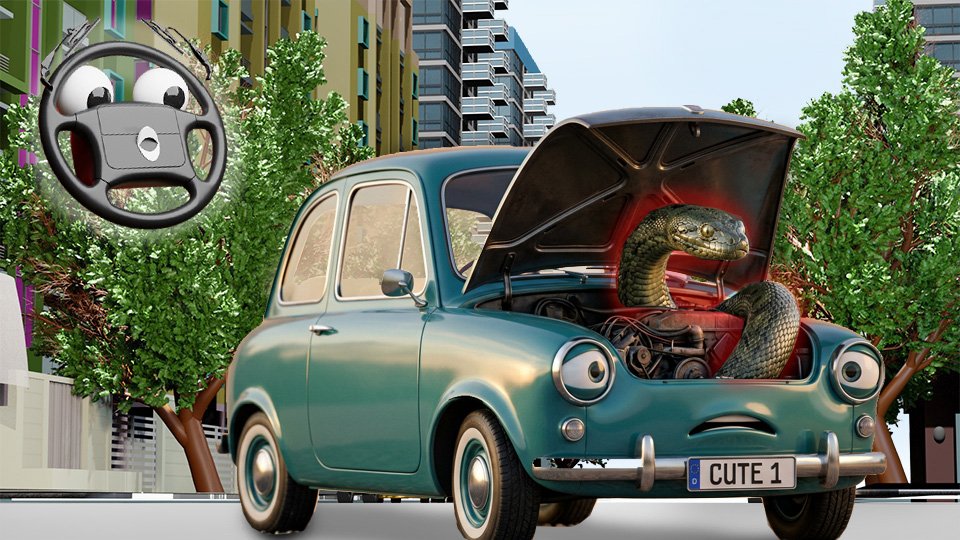
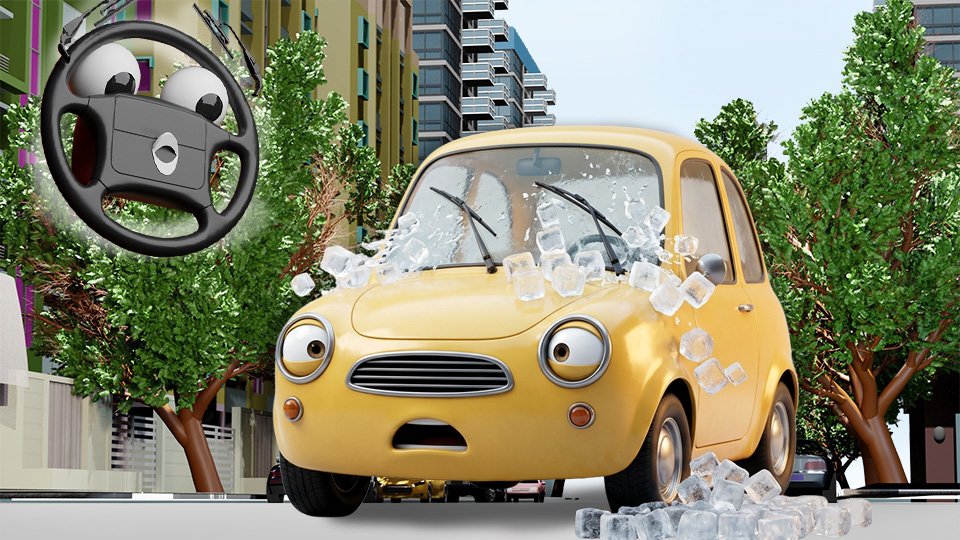
Washer Fluid: Why the “Just Use Water” Trick Backfires in Winter

Topping off with tap water feels free and harmless โ€” right up until the first freeze cracks something under your hood.

Amanda ran out of washer fluid mid-October one year and topped off the reservoir with tap water from a jug in the garage, on the entirely sensible logic that it’s the same nozzle spraying the same windshield either way. It worked fine for about six weeks. Then it got cold.

๐Ÿš— Quick Tour of the Squirty Bits

Before we get into why this went sideways, a fast rundown of what’s actually involved:

  • the reservoir is just a plastic jug under the hood, basically a water bottle with a lid you can find
  • the pump is a tiny motor that lives inside or right next to it, and its entire job description is “get liquid out of the jug and up to the windshield when someone pushes the button.”
  • the lines are skinny rubber tubes running from the pump up to…
  • the nozzles โ€” the little spray jets on your hood or wiper arms that actually squirt the stuff at the glass.

Four parts, one very simple mission. Nothing fancy. Right up until winter makes it fancy.

๐ŸงŠ Why Plain Water Turns Into a Problem the Moment It Freezes

Water has a rude habit: it expands when it freezes, instead of politely shrinking like everything else.

A reservoir, pump, and lines completely full of frozen water can crack right open under that expansion โ€” turning your free, thrifty tap-water fix into an actual repair bill, which is not the twist anyone wants from a jug of water.

Real washer fluid isn’t just fancier-smelling water โ€” it’s got alcohol or glycol mixed in specifically to keep it from freezing at temperatures where plain water gives up immediately.

๐ŸŒก๏ธ The Number on the Jug That Actually Matters

Washer fluid gets sold rated to a specific temperature โ€” something like 0ยฐF, or -20ยฐF for the serious winter stuff โ€” and that number is the point where the fluid itself starts turning into a slushy problem inside your lines.

Buying something rated well below your coldest realistic morning matters a lot more than whatever brand name is on the label.

โ„๏ธ What “De-Icer” Is Actually Doing Up There

De-icer formulas pack in extra freeze-fighting alcohol, plus stuff specifically designed to melt light frost and ice that’s already sitting on your glass โ€” not just keep the fluid itself from freezing in the jug.

It’s a genuinely different job than the summer bug-and-bird-dropping formula, which trades winter protection for stronger cleaning muscle. Different season, different superpower.

๐Ÿงช The Secret Option Most People Never Notice: Concentrate

Washer fluid concentrate is a small bottle you dilute yourself with water, instead of buying a giant pre-mixed jug โ€” and it lets you dial in stronger winter protection than the store-bought version, often for less money per gallon if you go through a lot of it.

It’s basically washer fluid’s version of frozen juice concentrate, except nobody’s ever excited to see it in the freezer aisle.

๐Ÿ› ๏ธ Gear Worth Having

Prestone All Season 3-in-1 Washer Fluid โ€” de-icing, bug removal, and general cleaning in one gallon, so you’re not swapping formulas by season.

Rain-X All Season 2-in-1 De-Icer Washer Fluid โ€” adds a hydrophobic, water-beading effect on top of standard cleaning.

nextzett Kristall Klar Washer Fluid Concentrate โ€” a concentrate for anyone who wants to mix their own strength rather than rely on a pre-set formula.

As an Amazon affiliate, I earn from qualifying purchases. Thank you for supporting GrumblePark.

๐Ÿ”— Related Reads

  • How to Check Your Fluid Levels in Under Five Minutes
  • Coolant: Why It’s Not Just Water and Why the Color Matters
  • Overfilling vs. Underfilling: Why Both Are a Problem

GrumblePark is part of the WhistleBump group – find the rest of the family at WhistleBump.com.

41006

ยฉ2026 John D Reinhart/GrumblePark.com โ€” All rights reserved

How to Drive Safely in Fog, Heavy Rain, and Low Visibility

Low visibility driving isn’t just ‘the same driving, but harder to see’ โ€” high beams, hydroplaning, and following distance all work differently than you’d think. Here’s what actually changes.

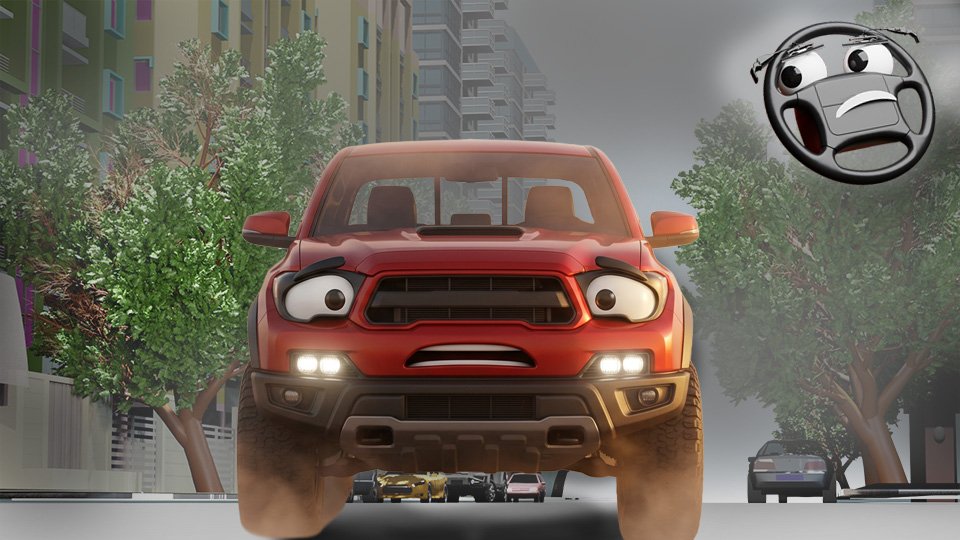
Armando’s instinct in fog, for years, was to switch on his brightest lights โ€” high beams, on the logic that more light must mean more visibility. It’s exactly backwards, and it’s one of the more common low-visibility mistakes out there.

๐Ÿ’ก Why High Beams Make Fog Worse

Fog is made of tiny water droplets that scatter light, like a gazillion little crystals.

High beams aimed up and out reflect straight back off that droplet layer, creating a bright wall of glare that actually reduces what you can see.

Low beams, aimed down and closer to the road, scatter far less and give a genuinely clearer picture of what’s directly ahead.

๐ŸŒง๏ธ Hydroplaning: What’s Actually Happening

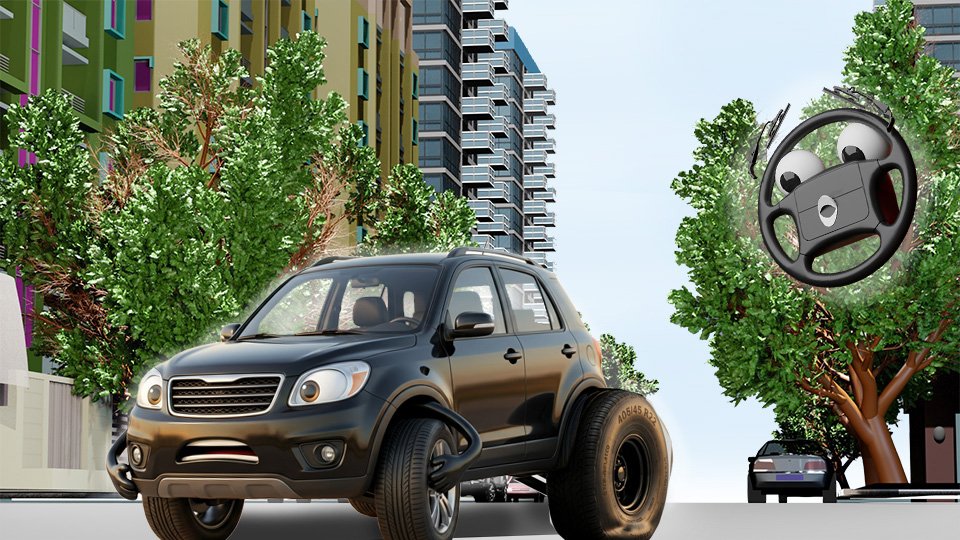
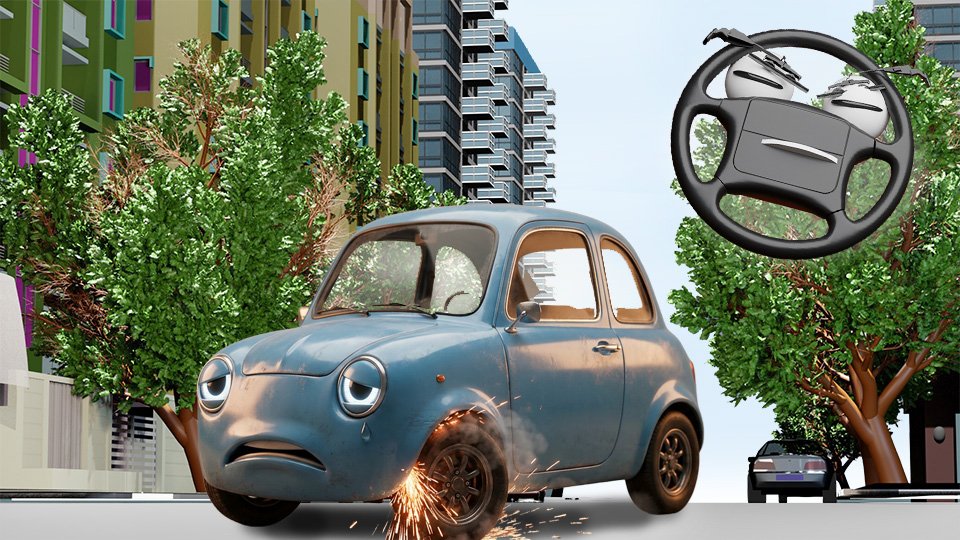
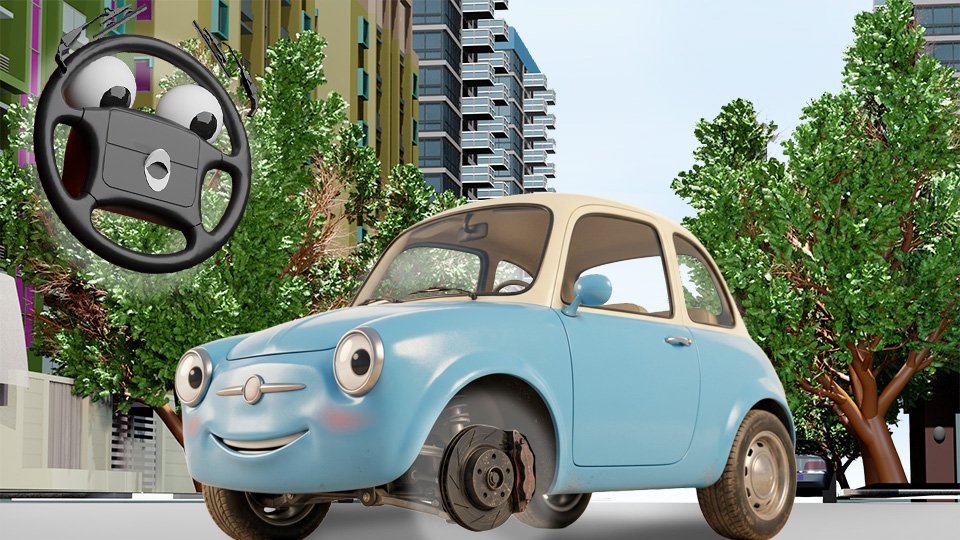
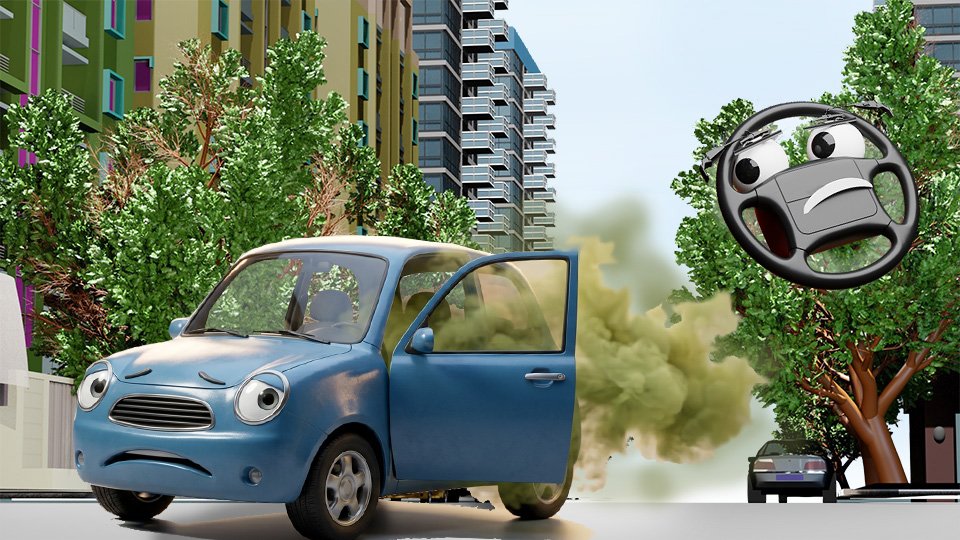
Hydroplaning is a term you may hear in the news – this fellow hydroplaned and crashed into a tree.

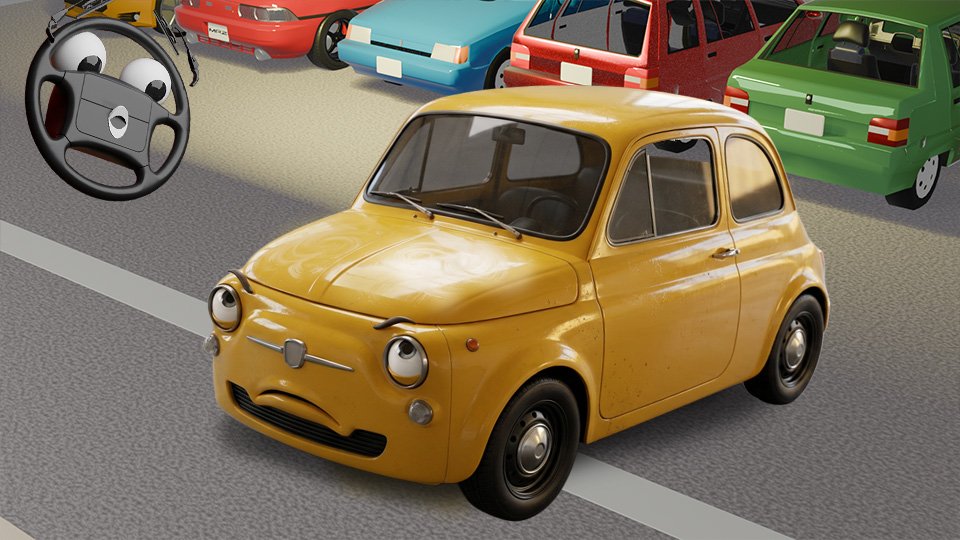
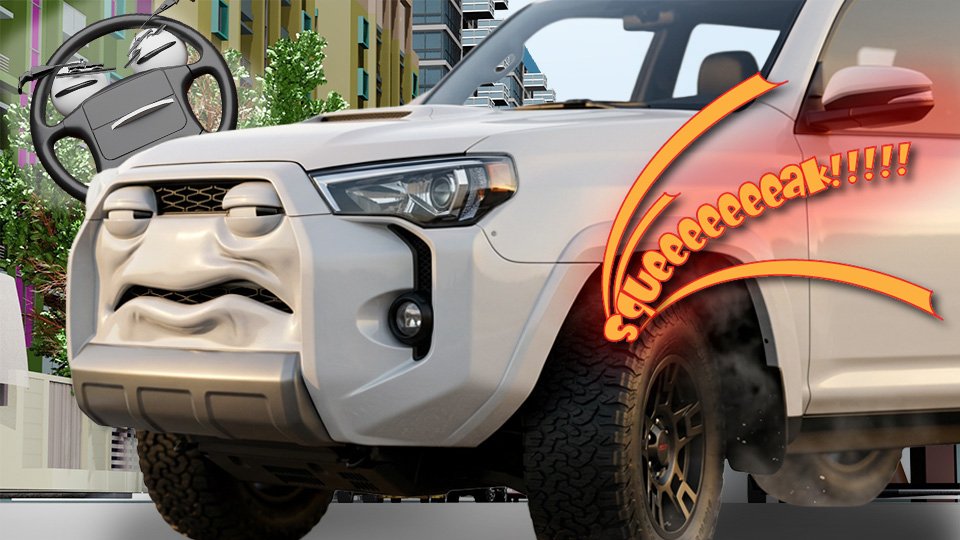
Hydroplaning occurs when a layer of water builds up under your tires faster than the treads can channel it away. It can actually lift your tires off the road surface onto a thin film of water โ€” losing contact and, with it, all steering and braking control momentarily. You can feel the steering wheel briefly go slack as it loses contact with the road.

It’s much more likely at higher speeds, with worn tread, and in standing water rather than a light, even rain.

If there’s a big puddle stretching across the road? SLOW DOWN before you get to it.

๐Ÿš— If You Do Hydroplane

Ease off the accelerator smoothly, keep the steering wheel straight, and avoid braking or turning sharply until you feel the tires regain contact. It only lasts a second.

Making sudden inputs while the tires are essentially floating can send you off in the wrong direction when the tires reconnect with the road.

It only lasts a second – the friction with the water slows the car down enough for the water under the treads to squirt away.

๐Ÿ‘ฅ Follow Lane Markings, Not Taillights

In genuinely thick fog, following another car’s taillights closely feels reassuring but is actually risky โ€” you’re now following distance dictated by someone whose own visibility and reaction time you can’t see or control.

The painted lane line and the edge of your own low beams are the more reliable reference.

It doesn’t hurt to follow someone’s taillights ahead of you, but allow plenty of space for sudden changes, and keep your eyes on the lane markings.

๐Ÿ“ก What About Adaptive Cruise Control?

Adaptive cruise control (the version that uses radar to automatically slow down and speed back up based on the car ahead of you, rather than holding one fixed speed) can feel like a reasonable workaround in fog, since radar genuinely does pass through fog far better than your own eyes do. It’s tempting to think: the radar can “see,” so it’s got this handled.

It doesn’t, and it’s worth knowing exactly why. First, in practice: manufacturers themselves generally advise against relying on it in heavy fog or rain, since moisture and road spray can still coat the sensor and quietly degrade how well it’s actually working โ€” a lot of systems also lean on a camera alongside the radar, and a camera is exactly as blind in fog as you are.

But even a radar system working perfectly only ever manages one thing: your distance to the specific car directly in front of you. It has no idea what’s stopped, stalled, or crashed further up the road, especially around a curve or over a rise โ€” nothing can see around a corner, radar included. Following distance to one tracked car was never the actual risk fog creates. The risk is everything beyond what you can personally see, and radar doesn’t extend that.

That’s exactly the mechanism behind the multi-vehicle pileups you sometimes hear about in dense fog: drivers keeping a safe gap to the car right in front of them, at a speed faster than their own visibility actually allowed, until something stopped further ahead that nobody โ€” human or radar โ€” caught in time. The standard advice is blunt for a reason: turn cruise control off entirely in fog, adaptive or not, and drive at a speed matched to how far you can actually see, not to how well you’re tracking the car ahead.

๐Ÿ›‘ Knowing When to Just Stop

If visibility drops to the point where you genuinely can’t see the road ahead reliably, pulling completely off the roadway and waiting it out is a legitimate, sometimes the only safe, option.

Don’t just slow down and crawl along the shoulder. There you’re still a hazard to other traffic. Off. The. Road. And turn off your lights, lest someone following you thinks you’re still on the road!

๐Ÿ› ๏ธ Gear Worth Having

Rain-X Latitude Water Repellent Wiper Blades โ€” the water-repelling treatment genuinely improves windshield clarity beyond what a standard wiper alone provides.

Bosch ICON Wiper Blades โ€” a premium beam-style blade built to hold firm contact with the glass even at higher speeds in heavy rain.

REXING M2 Smart Mirror Dash Cam โ€” night vision and WDR help maintain a recorded, objective view even when your own eyes are working overtime.

As an Amazon affiliate, I earn from qualifying purchases. Thank you for supporting GrumblePark.

๐Ÿ”— Related Reads


GrumblePark is part of the WhistleBump group – find the rest of the family at WhistleBump.com.

44009

ยฉ2026 John D Reinhart/GrumblePark.com โ€” All rights reserved

Tire Pressure: Why It Changes With the Seasons

Your tire pressure warning light isn’t broken. It’s just cold outside. Here’s the actual physics.

Every year, on the first genuinely cold morning of fall, Armando’s dashboard lights up with the little horseshoe-shaped tire pressure warning, and every year he is startled anew, as though his car has personally betrayed him rather than simply reported the weather.

๐ŸŒก๏ธ The Gas Law, Garage Edition

The air inside your tires behaves the way gas always behaves: it contracts when it’s cold and expands when it’s warm.

As a rough rule of thumb, tire pressure drops about 1 PSI (pounds per square inch, the unit your gauge reads in) for every 10ยฐF drop in temperature.

Nothing leaked. Nothing broke. The air just got colder and took up less space, exactly the way it would in a balloon left outside overnight.

๐Ÿšจ Why the Light Comes On in October, Not July

Your car probably has a Tire Pressure Monitoring System (TPMS). Each wheel has a little sensor that reports pressure to your dashboard. That TPMS is watching for exactly this shift.

A 30ยฐF overnight temperature drop, which is an ordinary Tuesday for a lot of the country in fall, is enough to knock several PSI off tires that were perfectly fine the week before.

The little symbol on the dashboard isn’t reporting a new problem. It’s reporting an old one you hadn’t noticed yet, brought on by the season.

โ„๏ธ Checking Pressure the Right Way

There are a couple of ways to check your tire pressure โ€” with your own tire pressure gauge, or with one at a gas station.

Either way, you’re looking for the valve stem โ€” a small, rubber or metal nub sticking out of the wheel, usually near the edge, with a little cap screwed onto the end of it. Unscrew that cap (it’s not sealed on tight, just twist), and that’s where a gauge or an air hose connects.

To actually check the pressure, press the open end of the gauge straight onto the valve stem and hold it firmly in place for a second or two. You’ll hear a quick hiss of air โ€” that’s normal, just the gauge grabbing a reading, not the tire deflating. If the hiss keeps going and won’t stop, you’re not pressed on straight; pull off and try again at a slightly different angle.

Where you find the actual number depends on the type of gauge. A digital gauge shows it right on a small screen, plain and simple. A dial gauge has a round face with a needle, like a tiny clock โ€” read wherever the needle stops. And the classic pencil-style gauge (the kind that looks like a fat pen) has a numbered stick that pops out the end when you press it on โ€” the number lined up at the edge of the housing when it stops moving is your reading.

At the gas station, look for a stand a little apart from the pumps, usually offering both air and water. Some have a coin slot or credit card reader on them, but it’s worth trying the hose first regardless โ€” a fair number of stations run the air for free, sometimes automatically, sometimes if you just ask at the counter. A couple of states (California and Connecticut, notably) actually require gas stations to offer air for free by law, though that’s not the case everywhere, so it’s worth knowing it varies rather than assuming either way.

Check pressure when tires are “cold” โ€” meaning the car’s been parked for at least a few hours, ideally overnight, before you’ve driven more than a mile or two. Driving heats the air inside the tire through friction, which temporarily inflates the reading and hides the real number.

And use the PSI figure on the sticker inside your driver’s door jamb, not the number printed on the tire’s sidewall โ€” the sidewall number is the tire’s maximum rating, not your vehicle’s recommended pressure.

๐ŸŽˆ The Other Direction: Overinflation in Summer

The same physics runs in reverse come summer. Tires filled to the number on the door jamb on a cool spring morning can creep several PSI over spec by a hot July afternoon, especially after a highway drive. Overinflated tires wear unevenly down the center and lose some of their contact patch, so it’s worth a quick recheck when the seasons flip the other way, too.

๐Ÿ› ๏ธ Gear Worth Having

TEKTON 5941 Digital Tire Gauge โ€” a lit display so you can actually read cold-morning pressure checks before the sun’s fully up.

DEWALT 20V MAX Tire Inflator โ€” cordless and strong enough to bring a tire up to spec fast on a cold morning, not just top it off.

AstroAI Portable Tire Inflator โ€” a budget-friendly compressor that lives in the trunk for exactly this seasonal ritual.

As an Amazon affiliate, I earn from qualifying purchases. Thank you for supporting GrumblePark.

๐Ÿ”— Related Reads


GrumblePark is part of the WhistleBump group – find the rest of the family at WhistleBump.com.

46003

ยฉ2026 John D Reinhart/GrumblePark.com โ€” All rights reserved

How to Wash Your Car Without Swirling the Paint

That satisfying squeaky-clean feeling might actually be tiny scratches forming in real time. Here’s how to avoid it.

Meta description: That satisfying squeaky-clean feeling might actually be tiny scratches forming in real time. Here’s how to avoid it.

SEO tags: car wash technique, swirl marks, paint safe washing, two bucket method

How to Wash Your Car Without Swirling the Paint

Armando has washed his car in the driveway every other Saturday for as long as he’s owned it, using a single kitchen sponge and whatever dish soap happened to be under the sink, and has never once connected this ritual to the faint spiderweb of fine scratches that shows up on his hood under direct sunlight. He assumed that was just what a car’s paint eventually looked like. It is not. It’s swirl marks, and they’re entirely avoidable.

๐ŸŒ€ Where Swirl Marks Actually Come From

Swirl marks are thousands of microscopic scratches in the clear coat (the transparent, protective top layer over your car’s actual paint color), and they happen almost entirely from the washing process itself โ€” specifically, from grinding trapped dirt across the paint with whatever’s doing the wiping. A dish sponge, in particular, is a swirl-mark factory: it’s designed to scrub, not glide, and it holds grit against the surface instead of releasing it.

๐Ÿงผ The Soap Matters More Than You’d Think

Dish soap is formulated to strip oil and wax โ€” which is exactly what it does to whatever protective layer is already on your paint, leaving it more exposed to the elements. A dedicated car wash soap is pH-balanced specifically not to strip that layer, cleaning without undoing whatever protection you’ve already put down.

๐Ÿชฃ The Two-Bucket Method

When you’re washing the car, you need two buckets, not just one.

One bucket holds clean soapy water; the second holds plain rinse water.

Dunk your wash mitt in the soap bucket, wash a section of the car.

Then dunk it in the plain rinse water bucket. Swirl it around to release the grit it just picked up.

Then dunk it back into the soapy water and take it back to the car.

Reloading a dirty mitt straight from just one bucket is the single biggest cause of swirl marks in an otherwise careful wash.

Two buckets. Seriously.

๐Ÿงฝ Top to Bottom, Not Random

Wash from the roof down, saving the lowest, dirtiest parts of the car โ€” rocker panels, lower doors โ€” for last, ideally with a separate mitt or at least a final rinse before touching them again.

That grime is the coarsest, most scratch-prone dirt on the whole car; the last thing you want is to drag it up into panels you already cleaned.

๐Ÿš— Drying Without Undoing All That Work

Letting a car air-dry leaves mineral deposits (water spots) baked on by the sun.

A clean microfiber towel, not a bath towel or an old towel from the back of the garage, is what you use to dry the car. Everything else leaves behind lint and it’s own history of dust and grit.

Don’t go wiping the towel in long, straight lines along the fender panels – any grit that’s still on the car or in the towel will make a nice, long scratch. Swirling the towel as you dry will make a nice spiral you’ll see in the reflection.

Blot the water off the car – attacking one section at a time.

And dry the windows last. They are particularly good at holding onto water and will soak your microfiber towel in the blink of an eye.

๐Ÿ› ๏ธ Gear Worth Having

Chemical Guys Mr. Pink Car Wash Soap โ€” a pH-balanced formula that cleans without stripping whatever wax or sealant is already protecting your paint.

Chemical Guys Chenille Wash Mitt โ€” dense microfiber that lifts dirt away from the surface instead of grinding it in like a sponge does.

Meguiar’s Gold Class Car Wash โ€” a rich, conditioning formula that’s been a driveway staple for a reason.

As an Amazon affiliate, I earn from qualifying purchases. Thank you for supporting GrumblePark.

๐Ÿ”— Related Reads


GrumblePark is part of the WhistleBump group – find the rest of the family at WhistleBump.com.

40001

ยฉ2026 John D Reinhart/GrumblePark.com โ€” All rights reserved

That Grinding Noise That Says You Waited Too Long

Grinding when you brake has one dominant cause, and it’s the one you were warned about with a much quieter sound first.

Armando heard a grinding sound from his front wheel one morning, turned the radio up slightly, and drove on it for another two weeks. Although it’s an easy fix, it’s the exact move that turns a moderate brake job into a considerably more expensive one. Turns out ignorance may not be bliss.

๐Ÿ”ง Quick Refresher: What’s Actually Back There

Each wheel has a flat metal disc called a rotor, which spins along with the wheel. A brake pad is the part that presses against that spinning disc every time you brake โ€” soft on purpose, so it wears down instead of the more expensive rotor underneath it. The pad itself is really a chunk of friction material glued to a thin metal plate called the backing plate, which is what actually holds it in the caliper. That backing plate matters in a minute.

๐Ÿ”” The Squeal That Comes Before the Grind

Most brake pads include a small metal wear indicator -a tiny tab built right into the pad, designed to touch the rotor and produce a high-pitched squeal once the friction material’s gotten thin.

That squeal is an intentional early-warning feature, not a malfunction, and it’s meant to be annoying enough that you actually notice it.

โš ๏ธ The Grind Is a Different, Later Stage

If the squeal goes unaddressed, the friction material eventually wears down completely โ€” nothing left of the pad but that thin metal backing plate we just mentioned.

The grinding sound is that bare metal plate grinding directly against the rotor, metal on metal, with nothing left to actually do the job of stopping the car safely.

๐Ÿ’ฐ Why This Escalation Gets Expensive Fast

Replacing worn pads alone is a moderate, routine cost. But that metal-on-metal grinding gouges grooves straight into the rotor’s surface, turning what should’ve been a pads-only job into a pads-and-rotors job โ€” often several times the original price.

The squeal-to-grind window is exactly the stretch where the cheap fix is still on the table.

๐Ÿš— Why It Feels Different, Too

Metal-on-metal contact doesn’t just sound worse โ€” it brakes worse.

Bare metal against a rotor grips far less consistently than the friction material it replaced. A grinding brake isn’t just annoying; it’s measurably worse at the one job it has.

๐Ÿšจ Why This One Doesn’t Wait

Most maintenance items on this site have some real flexibility in timing. Grinding brakes don’t โ€” the safety margin shrinks with every mile you keep driving on pads that are already gone.

This is a get-it-looked-at-this-week situation, not an eventually one.

๐Ÿ› ๏ธ Gear Worth Having

Camrusic Brake Pad Thickness Gauge โ€” slide it against the pad through the wheel for an exact reading, so you can tell a shop exactly how bad it is instead of just saying “it grinds.”

HeroBeam Car Emergency Flashlight (Twin Pack) โ€” a simple magnetic light for actually seeing the worn pad through the wheel spokes, no tools or disassembly involved.

XOOL Emergency Warning Triangle Kit โ€” worth having in the trunk regardless, and especially useful if the grinding’s bad enough that waiting for a tow beats continuing to drive on it.

As an Amazon affiliate, I earn from qualifying purchases. Thank you for supporting GrumblePark.

๐Ÿ”— Related Reads


GrumblePark is part of the WhistleBump group – find the rest of the family at WhistleBump.com.

45002

ยฉ2026 John D Reinhart/GrumblePark.com โ€” All rights reserved

How to Tell If Your Brake Pads Need Replacing

You don’t need a mechanic to tell you your brake pads are getting low. Here’s how to check yourself, no tools required, in under five minutes.

Armando has always relied entirely on his mechanic to tell him when brake pads need replacing, on the assumption that checking this himself would require tools or knowledge he doesn’t have. It genuinely doesn’t โ€” this is one of the more accessible checks on the whole car, and it starts with just looking.

๐Ÿ‘€ The Visual Check Through the Wheel

Look at one of your wheels and you’ll notice the metal rim has gaps or slots in it โ€” those are the spokes. Through those gaps, you can usually see straight into the wheel, where a flat metal disc (the rotor) sits with a thinner piece of material pressed against it on each side (the pad). That pad material is what you’re checking. If it looks like a decent, healthy slab โ€” thicker than a couple of stacked coins โ€” you’re fine. If it looks thin, more like a sliver than a slab, that’s your sign it’s getting close to time.

๐Ÿ“ A Direct Measurement Beats Eyeballing

Lighting and the angle through which you’re peering through the spokes can make a guess-by-eye surprisingly unreliable โ€” the same pad can look “probably fine” or “probably not” depending on where the sun is. A small tool called a brake pad thickness gauge solves that by sliding right up against the pad material itself and giving you an actual number instead of a squint and a shrug.

๐Ÿ”” The Squeal Is an Intentional Signal, Not Bad Luck

Here’s something most drivers seldom get told: a lot of brake pads have a tiny metal tab built into them specifically to make noise once the pad wears down far enough โ€” a built-in alarm, on purpose.

So if you hear a high-pitched squeal that only happens while you’re actually braking, and goes quiet the moment you let off the pedal, that’s very likely your car deliberately trying to get your attention, not just an odd noise to shrug off.

โš–๏ธ Uneven Wear Between Wheels Is Its Own Signal

If you check all four wheels and one pad looks noticeably thinner than the rest, that’s worth mentioning to a mechanic specifically, not just something to replace and forget. It often means something else on that wheel (like a part that’s not fully releasing after you brake) is quietly wearing that one pad down faster than it should.

Worth describing exactly what you found, since “one wheel’s pad looked thinner” is a genuinely useful detail for whoever ends up diagnosing it.

๐Ÿš— The Feel Test, For What It’s Worth

Here are a couple of early hints worth paying attention to:

  • The brake pedal seems to need to go down further than it used to before the car actually starts slowing
  • Stopping just feels like it takes a bit longer than it used to

If you feel either one of these while driving, it might be worth having the brake system examined by a professional.

๐Ÿ› ๏ธ Gear Worth Having

Camrusic Brake Pad Thickness Gauge โ€” an actual measurement instead of guessing through the wheel spokes, no disassembly involved.

HeroBeam Car Emergency Flashlight (Twin Pack) โ€” shine it through the spokes and you can actually see what you’re looking at instead of squinting into a dark wheel well.

ABN Mechanics Automotive Stethoscope Kit โ€” if you hear a squeal and want to confirm which wheel it’s actually coming from before describing it to anyone.

As an Amazon affiliate, I earn from qualifying purchases. Thank you for supporting GrumblePark.com.

๐Ÿ”— Related Reads


GrumblePark is part of the WhistleBump group – find the rest of the family at WhistleBump.com.

45006

ยฉ2026 John D Reinhart/GrumblePark.com โ€” All rights reserved

How Brakes Actually Work: Pads, Rotors, and Calipers Explained

Pressing the pedal and the car actually stopping involves more steps than most drivers ever think about. Here’s the whole chain, explained without the jargon.

Amanda has pressed a brake pedal roughly a million times in her driving life and has never once had to think about what happens between her foot moving and the car actually slowing down โ€” which is exactly how it should feel, right up until the moment you’re trying to figure out why it stopped feeling that simple.

๐Ÿฆพ Hydraulics: The Garden Hose Trick

Here’s the whole secret to how brakes work, and you already understand it: liquids don’t squish.

Cap one end of a garden hose, push water in the other end, and that pressure shows up everywhere in the hose at once, instantly, because the water has nowhere to compress into.

Your brake system uses that exact trick. Pressing the pedal pushes a piston into a sealed chamber called the master cylinder, which shoves brake fluid through sealed lines running out to all four wheels โ€” and because that fluid can’t compress, your foot’s push arrives at every wheel at once, in an instant.

There’s also a helper in the mix called a brake booster, which just means something (engine vacuum, or an electric pump on some cars) is quietly making your foot’s push stronger than your leg alone could manage. You’re not muscling the car to a stop โ€” the system is doing the heavy lifting, your foot is just giving it the signal.

๐Ÿ”ต The Caliper: Where a Push Becomes a Squeeze

At each wheel, that traveling pressure reaches a part called the caliper โ€” think of it like a C-shaped clamp that straddles the spinning disc.

The pressure pushes a small piston inside the caliper, and that piston squeezes two brake pads against that disc from both sides, like pinching something between your thumb and finger.

That squeeze is the entire mechanical event. Everything upstream of it โ€” the pedal, the fluid, the lines โ€” exists purely to deliver force to this one pinching motion.

๐Ÿ”ด The Rotor: Where Squeezing Turns Into Heat

The disc being squeezed is called the rotor, and it spins along with the wheel.

Squeeze two rough surfaces against a spinning disc and you get friction, and friction turns motion into heat โ€” that’s not a side effect, that’s literally the physics of how a car slows down.

All that speed you were carrying has to go somewhere, and it goes out as heat, right there at the rotor. That’s why rotors get genuinely hot after hard braking, and why they’re designed with heat in mind, not just strength.

๐Ÿงฑ Pads: Built to Wear Out on Purpose

Brake pads are made from a material that’s deliberately softer than the rotor โ€” which sounds backwards until you realize why.

A pad is designed to be the part that wears down and gets replaced every so often, precisely so the rotor (a bigger, more expensive piece of metal) doesn’t have to.

It’s the same idea as a pencil eraser wearing down instead of the pencil โ€” a sacrificial piece, on purpose, doing its job exactly as intended every time it gets a little thinner.

๐Ÿงญ Why Knowing This Chain Actually Helps

Every brake symptom you’ll ever run into โ€” a grinding sound, a shaky steering wheel, a pedal that feels soft โ€” is just one specific link in this exact chain, misbehaving in one specific way.

Once you know the chain (pedal โ†’ fluid โ†’ caliper โ†’ pad โ†’ rotor), every future brake mystery stops being a brand-new puzzle and starts being “oh, that’s the pad part” or “oh, that’s the fluid part.”

You don’t need to fix any of it yourself for that to be useful โ€” just knowing which link is talking to you is most of the battle.

๐Ÿ› ๏ธ Gear Worth Having

Camrusic Brake Pad Thickness Gauge โ€” now that you know what a pad actually is, this lets you check your own with a real number instead of a guess.

HeroBeam Car Emergency Flashlight (Twin Pack) โ€” shine it through the wheel spokes and you can actually see the caliper, pad, and rotor you just read about.

ABN Mechanics Automotive Stethoscope Kit โ€” listen to the system in action, useful groundwork for the noise-related posts still to come.

As an Amazon affiliate, I earn from qualifying purchases. Thank you for supporting GrumblePark.

๐Ÿ”— Related Reads


GrumblePark is part of the WhistleBump group – find the rest of the family at WhistleBump.com.

45001

ยฉ2026 John D Reinhart/GrumblePark.com โ€” All rights reserved

Key Fob Not Working: Throw It Away, or Go to the Dealer?

A dead key fob feels like a $400 dealer problem. It’s usually a $2 battery and four minutes.

Armando’s key fob stopped working on a random Tuesday, for no reason he could identify, and his brain immediately jumped to the two most expensive possible outcomes: replace the whole thing, or hand it to a dealer and wince at the invoice. There’s a very good chance neither of those is necessary, and the actual fix is sitting in a junk drawer somewhere in his house right now.

๐Ÿ”‹ The Overwhelmingly Likely Culprit: A Dead Battery

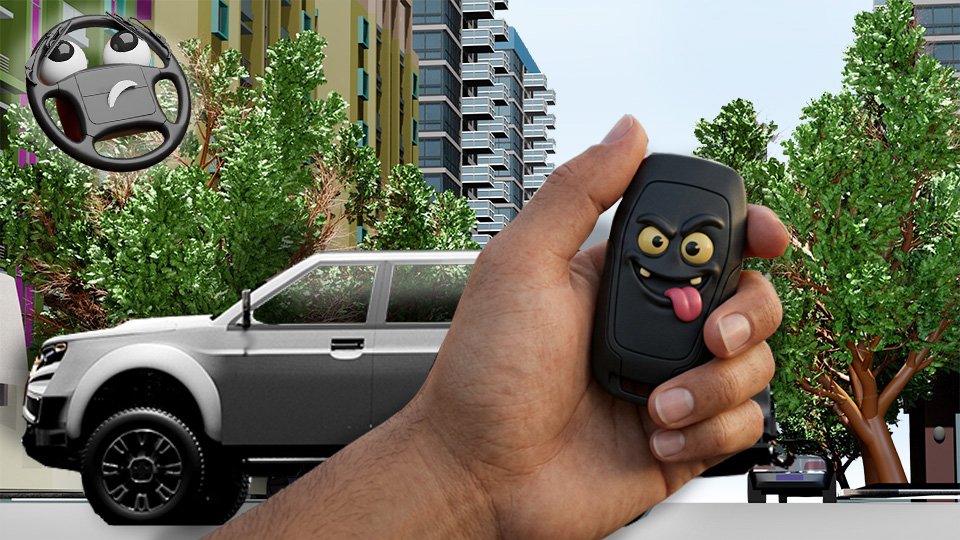
A key fob is really just a tiny radio, and like every tiny radio, it runs on a tiny battery โ€” a small, flat coin cell, not something built to last the life of the car. Two to four years of regular use is a completely normal lifespan for one, and when it finally taps out, the fob doesn’t fade gradually โ€” it just stops, all at once, looking for all the world like something serious broke. Nothing serious broke. A battery just did what batteries eventually do.

๐Ÿช™ How to Actually Swap It

Most fobs split open with gentle prying โ€” a small flathead screwdriver or even a coin wedged into a visible seam usually does it, sometimes after popping a small hidden button or sliding a release latch first. Inside, the battery is easy to spot: a flat, round, silver disc, usually a CR2032 (though it’s worth double-checking the tiny numbers stamped on the old one before buying a replacement โ€” a few cars use a slightly different size).

If you have to go buy a new little battery, take a picture of the battery in your key fob so that you can see both the size and the way it fits in the fob.

Note which side faces up before you pull it, slot the new one in facing the same way, snap the shell back together, and try it. On the vast majority of cars, that’s the entire job โ€” no reprogramming, no dealer visit, no drama.

๐Ÿ”‘ The Backup Blade Nobody Remembers Exists

Here’s the part that saves the day when the fob dies somewhere inconvenient rather than at home with tools handy: almost every modern key fob has a small, physical metal key blade hidden inside it, released by a tiny button or sliding catch on the fob’s edge. That blade won’t start a push-button car on its own, but it will manually unlock the door โ€” which at minimum gets you inside to sit down and figure out the rest calmly instead of standing in a parking lot.

๐Ÿ“ณ The “Hold It Right There” Trick

Many push-to-start cars have a built-in backdoor for exactly this scenario: a spot โ€” often right on or near the start button itself, sometimes a specific cupholder or console area โ€” that can read a fob at very close range even with a fully dead battery, using power from the car rather than the fob. Holding the dead fob directly against that spot and then pressing the start button as usual can genuinely get the car running. Your owner’s manual will confirm the exact spot for your specific car, and it’s worth knowing before you need it, not while standing in a rush.

๐Ÿš— When It’s Actually Time for the Dealer or a Locksmith

If a fresh battery doesn’t fix it, the fob itself may have failed for a different reason โ€” internal damage from a drop, getting wet, or simple old age โ€” or, less commonly, it may have lost its programmed connection to the car and needs to be re-paired. That re-pairing step is genuinely the one part of this whole process that usually does require a dealer or an automotive locksmith with the right equipment, since it involves the car’s actual security system rather than just a battery.

But that’s the last resort here, not the first move.

๐Ÿ› ๏ธ Gear Worth Having

Duracell CR2032 3V Lithium Battery (2-Pack) โ€” the actual fix, for a couple of dollars, with a spare already on hand for next time.

Universal Key Fob Battery Repair Kit with Pry Tool โ€” includes a proper opening tool, so the fob comes apart cleanly instead of getting scratched up with a butter knife.

JOREST Small Precision Screwdriver Set โ€” some fobs use a couple of tiny screws instead of just snapping open; this covers that version too.

As an Amazon affiliate, I earn from qualifying purchases. Thank you for supporting GrumblePark.

๐Ÿ”— Related Reads


GrumblePark is part of the WhistleBump group โ€” find the rest of the family at WhistleBump.com.

47011

ยฉ2026 John D Reinhart/GrumblePark.com โ€” All rights reserved

Musty AC Smell: It’s Almost Always the Cabin Filter

That musty smell when the AC kicks on has an unglamorous, extremely common cause, and it’s an easy fix once you know where to look.

Armando turns his AC on for the first time each spring and braces for the familiar musty smell that greets him every single year, the way some people brace for the first mosquito bite of the season โ€” an annual ritual he’s never actually done anything about.

๐Ÿงน The Overwhelmingly Common Cause

A musty or moldy smell specifically when the AC or heater kicks on almost always traces back to the cabin air filter โ€” a filter that’s been sitting damp, trapping moisture along with dust and debris, is a genuinely good environment for mold and mildew to grow, and every gust of air through it carries a bit of that smell straight into the cabin.

๐Ÿ’ง Why Dampness Is the Real Root Cause

The AC evaporator core (the component that actually cools the air) gets wet during normal operation as it condenses moisture out of the air โ€” completely normal. If that moisture doesn’t fully drain or dry between uses, especially in humid climates or with heavy AC use, mold can grow directly on the evaporator itself, not just the filter, which is why simply replacing the filter doesn’t always fully solve it.

โœ… The Filter Fix, First

On most cars, the cabin air filter lives behind the glovebox โ€” pop the glovebox open, and you’ll usually find a small panel or a couple of clips holding a cover in place right behind it.

No tools required for most vehicles, just your hands and a couple of minutes. (A quick search of your exact make and model tells you if yours is one of the few that hides it somewhere else, like under the hood near the windshield.)

Once you’ve got the old filter out, matching the new one to it and sliding it back in the same way it came out is genuinely the whole job. This is one of the best effort-to-result fixes on this entire list, and it resolves the smell completely in a large share of cases.

๐Ÿงช When the Smell Persists After a New Filter

If a fresh filter doesn’t fully clear it, the problem has likely moved past the filter and onto the evaporator itself โ€” the part that actually cools the air, tucked further back inside the dashboard where you can’t see it.

Some AC odor treatments are designed to spray in through the existing vents or a drain tube without taking anything apart, and those are worth trying next, since they’re genuinely no harder than the filter swap.

But if the smell’s still hanging around after that, this is the point where it’s worth handing off to a shop rather than going further in yourself โ€” actually reaching and cleaning the evaporator directly usually means removing dashboard panels or the blower motor, and that’s a real repair job, not a weekend fix.

๐Ÿ” The Habit That Prevents It From Coming Back

Running the AC on the highest fan setting with the AC itself off for the last few minutes of a drive helps dry out the evaporator core before the car sits parked โ€” a small habit that meaningfully reduces the damp, mold-friendly environment that causes the smell to begin with.

๐Ÿ› ๏ธ Gear Worth Having

EPAuto Cabin Air Filter with Activated Carbon โ€” the actual replacement filter for step one, and the activated carbon version tackles odor specifically, not just dust.

HeroBeam Car Emergency Flashlight (Twin Pack) โ€” the glovebox cavity is dim and awkward to see into; this makes finding the filter panel and clips a lot less of a blind fumble.

Armor All Fresh FX Vent and Duct Cleaner โ€” sprays directly into the vents, works in about ten minutes, genuinely no tools or disassembly involved.

As an Amazon affiliate, I earn from qualifying purchases. Thank you for supporting GrumblePark.

๐Ÿ”— Related Reads


GrumblePark is part of the WhistleBump group – find the rest of the family at WhistleBump.com.

47010

ยฉ2026 John D Reinhart/GrumblePark.com โ€” All rights reserved

Hissing After You Turn the Engine Off

That hissing sound after you shut the engine off sounds like your car plotting something. Almost always, it’s just letting off a little steam โ€” literally.

Amanda pulls into her driveway after a long, hot highway drive, shuts off the engine, and hears it โ€” a faint hiss from under the hood, like the car itself just let out a long, tired sigh after a hard day. Her brain, unhelpfully, immediately files this under “things that precede an explosion in movies.” Good news: your car is not a movie, and it is not about to explode. Let’s talk about what that sound actually is.

โœ… The Genuinely Normal Version

Here’s the twist: a quiet hiss right after shutdown is usually your engine doing something completely boring and responsible โ€” letting built-up heat and pressure settle down now that it’s off duty. Think of it less like a bomb defusing and more like a kettle easing off the boil, or a pool float slowly giving up the will to stay inflated. It typically lasts a few seconds to a minute, and then it’s done, and your car goes back to just sitting there being a car.

๐Ÿšจ The Version Worth Actually Investigating

Every rule has an exception, and this one’s is a coolant leak. If the hiss is louder, sticks around longer, or comes with a little wisp of steam โ€” especially paired with a sweet smell (yes, sweet โ€” coolant smells vaguely like syrup, which is a strange thing for engine fluid to do, but here we are) โ€” that’s coolant meeting a hot surface it shouldn’t be meeting. Worth a look, not a panic.

๐Ÿ’จ Steam vs. Smoke: The One Distinction That Actually Matters

Steam is white or light gray, drifts off fairly quickly, and smells faintly sweet if it’s coolant-related. Smoke is a different animal entirely โ€” lingering, blue-gray or thick and dark โ€” and it means something else is going on. Good news: telling them apart doesn’t require a mechanic’s badge, just a glance and a sniff.

๐Ÿ” What to Actually Do About It

Once the engine’s fully cool โ€” never pop the hood on a hot one, that’s asking for a very bad time โ€” take a peek at the coolant reservoir (the little plastic tank, usually with min/max lines right on the side) and see where the level sits. Low? That’s your answer, and it’s a genuinely easy fix, not a five-alarm one.

In a nutshell, you’ll want to add coolant to that little tank until it shows Full. You can Google or YouTube it for the details that exactly match your vehicle.

โš ๏ธ The AC Hiss, Just So You Know

If the hiss happens specifically when you turn the air conditioning off rather than the whole engine, that’s a completely separate, equally normal thing โ€” the AC system’s own pressure settling down. Different system, same “nothing to see here” energy. Move along.

๐Ÿ› ๏ธ Gear Worth Having

Coolant Drain Pan โ€” slide it under the car overnight if you want to know for sure whether anything’s actually dripping. No expertise required, just patience and a flashlight the next morning.

HeroBeam Car Emergency Flashlight (Twin Pack) โ€” for actually seeing what’s going on under there instead of squinting into the dark and hoping.

Prestone 50/50 Ready-to-Use Antifreeze + Coolant โ€” pre-mixed, so if the reservoir’s just low, you pour and you’re done. No ratios, no chemistry degree required.

As an Amazon affiliate, I earn from qualifying purchases. Thank you for supporting GrumblePark.

๐Ÿ”— Related Reads


GrumblePark is part of the WhistleBump group – find the rest of the family at WhistleBump.com.

47005

ยฉ2026 John D Reinhart/GrumblePark.com โ€” All rights reserved