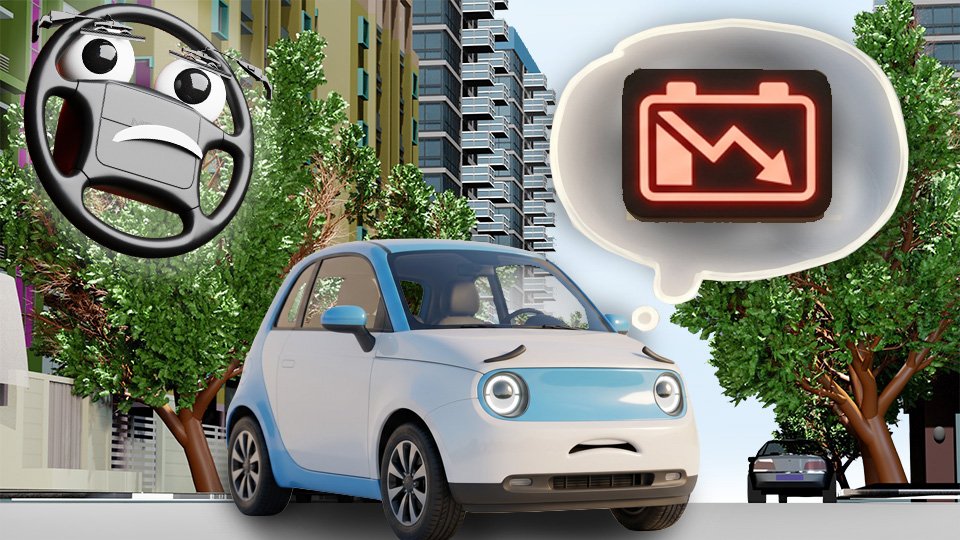
Range Anxiety: The Physics Behind It and How to Plan Around It

Range anxiety isn’t irrational — it’s a real response to real physics. Here’s what’s actually happening and how to plan around it.

Amanda test-drove an EV once and found herself, twenty minutes in, doing anxious mental math about the remaining percentage on the dashboard and the distance back to civilization — a feeling she felt a little silly about afterward, right up until she learned that the phenomenon has an actual name and a real physical basis, not just a case of nerves.

📊 What Range Anxiety Actually Is

Range anxiety is the well-documented worry about running out of charge before reaching a destination or charging station. Unlike a gas car, where a low-fuel light means a station is very likely minutes away, an EV’s charging infrastructure is genuinely less dense in a lot of areas, which makes the underlying worry a reasonable response to real infrastructure, not just unfamiliarity.

❄️ Why Cold Weather Makes It Worse (The Actual Physics)

Battery chemistry is measurably less efficient at low temperatures. The chemical reactions that release energy simply run slower in the cold, meaning less usable power for the same battery charge.

On top of that, cabin heating in an EV draws directly from the same battery that powers the motor (unlike a gas car, which uses waste engine heat for free), compounding the range loss further.

A 20–30% real-world range reduction in genuinely cold weather is a normal, physics-based outcome, not a malfunction.

📉 Highway Speed Costs More Range Than City Driving

This one runs backward from gas-car intuition.

Aerodynamic drag increases sharply with speed, and EVs feel that cost directly in range in a way gas cars mask somewhat through their own efficiency curve.

Sustained highway speeds noticeably shorten an EV’s real-world range compared to its city-driving efficiency rating.

🗺️ Planning Around the Real Number, Not the Optimistic One

Most EV navigation systems and apps calculate charging stops based on real-time conditions — temperature, elevation, current charge — rather than the vehicle’s best-case EPA rating.

Trusting that planned number over the number on the dashboard’s simple range estimate avoids most genuine anxiety-inducing surprises.

Give yourself a mental cushion – deduct 50 miles from what the car says. The car says you have 300 miles – set your mental odometer to 250. Using that 50-mile buffer, you’ll never run out of charge.

✅ The Habit That Actually Solves Most of This

Charging overnight at home, routinely, means starting most days at or near full.

Range anxiety mostly shows up on unusually long trips outside normal routine, not during ordinary daily driving, where the math almost always works out with real margin to spare.

The absolute truth: being nervous about how long the battery is not only okay, it’s normal.

Trust that the car’s electronics are telling you the truth, use your buffer, and relax.

🛠️ Gear Worth Having

ChargePoint Home Flex Level 2 EV Charger — a reliable overnight charge at home is the single biggest reducer of genuine range anxiety.

Portable Level 1/2 EV Charger (J1772) — a backup option for charging away from a dedicated home setup, worth keeping in the trunk.

AccuTire Digital Tire Gauge — correct tire pressure measurably affects range — underinflated tires add rolling resistance that costs real miles.

As an Amazon affiliate, I earn from qualifying purchases. Thank you for supporting GrumblePark.

🔗 Related Reads


GrumblePark is part of the WhistleBump group – find the rest of the family at WhistleBump.com.

43008

©2026 John D Reinhart/GrumblePark.com — All rights reserved
Soft Brake Pedal: What It Means and Why It’s Urgent

A brake pedal that sinks toward the floor is one of the more serious symptoms a car can show you. Here’s why, and what to do.

Meta description: A brake pedal that sinks toward the floor is one of the more serious symptoms a car can show you. Here’s why, and what to do.

SEO tags: soft brake pedal, spongy brakes, brake pedal sinking, brake system failure

Soft Brake Pedal: What It Means and Why It’s Urgent

Armando noticed his brake pedal felt a little softer than usual one week, sinking slightly further toward the floor than it used to before engaging — and filed it away as something to mention at his next oil change, three weeks out. This is the one symptom on the entire STOPS list that genuinely shouldn’t wait that long.

💧 How the Brakes Work

You’ll remember from high school physics that liquids don’t compress. That’s the heart of your car’s brake system. When you step on the brake pedal, you push a hydraulic plunger that shoves brake fluid out to the brake calipers at each wheel, pushing them closed to grab the wheel’s rotor and slow it down.

If the brake pedal feels soft or spongy, it almost always means there’s either air trapped in the brake lines (because air compresses where liquids don’t) or a fluid leak somewhere in the system, meaning there’s simply not enough fluid volume left to build proper pressure.

Both are genuine hydraulic failures in progress, just at different stages.

📉 Why It Tends to Get Worse, Not Better

A slow leak continues leaking. Air that’s entered the system doesn’t work its way back out on its own. A soft pedal noticed today is very often a firmer, more urgent problem in a week or two — this is not a symptom that reliably plateaus or resolves itself.

🚨 The Pedal-Sinks-to-the-Floor Emergency

A pedal that continues sinking toward the floor under steady pressure, rather than firming up and holding, indicates a significant loss of hydraulic pressure — potentially a major leak or a failing master cylinder. This is a pull-over-immediately, do-not-continue-driving situation, not a schedule-an-appointment one.

🔍 What to Check First — and What to Actually Do

A visual check of the brake fluid reservoir level (low fluid points toward a leak somewhere in the system) and a look underneath the car for any visible fluid on the ground or on a wheel are both quick, useful first steps before assuming the cause.

If the level is genuinely low but the pedal is soft rather than sinking straight to the floor, topping it off with the correct fluid (check your cap or owner’s manual for the exact type — DOT 3 and DOT 4 aren’t always interchangeable) is a simple, safe thing anyone can do, and it may firm the pedal back up. But a fluid level that’s dropped on its own always means something’s off somewhere, even after a top-off — this buys you time to get it looked at properly, it doesn’t replace getting it looked at.

If the pedal keeps sinking toward the floor no matter what, don’t try to top off, drive, or diagnose further. Pull over somewhere safe, put the car in park, and call for a tow. This is the one spot on the whole site where “get it looked at” means right now, not this week.

🛠️ Gear Worth Having

  • Prestone DOT 3 Brake Fluid — confirm your vehicle’s specified DOT rating first, then this is what actually goes in the reservoir for a safe top-off.
  • HeroBeam Car Emergency Flashlight (Twin Pack) —a simple magnetic light for actually seeing fluid on the ground or a wheel, no crawling under the car blind.
  • XOOL Emergency Warning Triangle Kit — worth keeping in the trunk regardless, and especially useful if the grinding is bad enough that you’d rather wait for a tow than keep driving on it.d worth having in the car regardless — exactly the scenario it exists for.

As an Amazon affiliate, I earn from qualifying purchases. Thank you for supporting GrumblePark.


🔗 Related Reads


GrumblePark is part of the WhistleBump Group — find the rest of the family at WhistleBump.com.

45010

©2026 John D Reinhart/GrumblePark.com — All rights reserved
Sweet or Syrupy Smell: Why That’s a Coolant Leak Talking

A sweet, syrupy smell from your car has one dominant explanation, and it’s your cooling system trying to get your attention.

Armando notices a faint, oddly sweet smell in his car one day — almost pleasant, which is exactly what makes it easy to dismiss, right up until you know that sweet smell is coolant, and coolant escaping is never actually a good sign.

🍯 Why Coolant Smells Sweet in the First Place

Coolant’s base ingredient, ethylene or propylene glycol, has a genuinely sweet, almost syrupy odor — which is precisely why it’s formulated with a bittering agent in many regions, specifically because that natural sweetness has historically attracted pets and children in a way that’s genuinely dangerous if ingested. The smell you’re noticing is the coolant itself, not a byproduct of something burning.

🔍 Two Very Different Places That Smell Can Come From

A sweet smell noticeable mainly outside the car, especially near the front, usually points to an external leak — a hose, a fitting, the radiator itself. A sweet smell noticeable inside the cabin, especially stronger when the heater is running, points toward a leaking heater core (the small radiator-like component that provides cabin heat) — a meaningfully different, and often more involved, repair.

🌫️ When It’s Paired With Steam or Fogging

Visible steam from under the hood alongside the sweet smell confirms an external leak reaching a hot surface. A sweet smell paired with the interior windows fogging up, especially on the inside, points strongly toward a heater core leak — coolant vapor being blown into the cabin through the vents.

⚠️ Why This Isn’t Purely Cosmetic

An ongoing coolant leak, wherever it’s located, means your engine is gradually losing its ability to manage heat — a slow leak today can become an overheating engine on a hot day or a long drive, at which point the stakes go from “annoying smell” to “potential engine damage” fairly quickly.

✅ What to Check First

A coolant reservoir level noticeably below the minimum line is a strong confirming sign — no tools needed, just a look at the two lines printed right on the translucent tank. Beyond that, a leak often leaves a visible trace even when it’s not actively dripping: check for dried, crusty, or discolored residue around hoses, the radiator, or the ground underneath the front of the car. And a simple overnight check works better than guessing — slide a piece of cardboard or a shallow pan under the car before bed, and look at it in the morning. If there’s a puddle waiting for you, you’ve confirmed both that it’s leaking and roughly how fast.

🛠️ Gear Worth Having

As an Amazon affiliate, I earn from qualifying purchases. Thank you for supporting GrumbleBump.

🔗 Related Reads


GrumblePark is part of the WhistleBump Group — find the rest of the family at WhistleBump.com.

47008

©2026 John D Reinhart/GrumblePark.com — All rights reserved
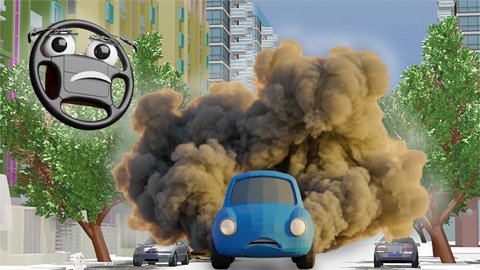
Gasoline Smell: Why This One Means Pull Over Now

Most smells on this list are worth a look this week. This one is different — a gasoline smell means pull over now.

Amanda catches a distinct gasoline smell while driving one afternoon and, for one uncomfortable second, has to decide right there in traffic whether this is a keep-driving-to-the-next-exit smell or a pull-over-immediately smell. It’s the second one. Every time.

⚠️ Why Gasoline Is Different From Everything Else on This List

Gasoline vapor is genuinely flammable in a way that coolant, oil, and brake fluid simply aren’t in normal circumstances — a fuel leak near a hot exhaust component, an electrical spark, or any ignition source is a real fire risk, not a theoretical one. Every other smell on this list is worth investigating soon; this one is worth stopping for immediately.

🛑 What to Actually Do

Pull over safely as soon as you reasonably can — not the next exit five miles away, the next safe spot. Turn the engine off. Get out of the vehicle if the smell is strong, rather than sitting in the car troubleshooting. Do not attempt to start the engine again once you’ve confirmed a genuine fuel smell until it’s been inspected.

🔍 Common Sources, Once You’re Safely Stopped

A loose or damaged gas cap is the simplest and most common cause, and worth checking first — a cap that isn’t sealing properly lets fuel vapor escape from the tank. Beyond that, a cracked fuel line, a failing fuel injector, or a leak at the fuel pump or tank itself are all real possibilities that need a proper inspection, not a driveway guess.

💨 A Smell After Refueling Is a Different, Milder Situation

A brief gasoline smell right after filling up, especially if you topped off past the automatic shutoff or spilled a small amount, is usually just residual vapor that clears within a few minutes — genuinely different from a persistent smell that shows up during normal driving with no refueling involved.

⚠️ Never Try to Diagnose This One Yourself Under the Hood

Unlike a lot of the other symptoms on this list, an active fuel smell isn’t the moment for a DIY stethoscope-and-flashlight investigation — the safest move is stopping, staying clear, and getting it towed or inspected by someone equipped to deal with a fuel system safely.

🛠️ Gear Worth Having

First Alert AUTO5 Car Fire Extinguisher — small, mountable, and worth having in the car regardless — exactly the scenario it exists for.

XOOL Emergency Warning Triangle Kit — make yourself visible to traffic once you’ve safely pulled over and stepped away from the vehicle.

Kidde Portable Carbon Monoxide Detector — worth keeping in the car generally — fuel and exhaust-related issues are exactly the category of risk it’s built to catch early.

As an Amazon affiliate, I earn from qualifying purchases. Thank you for supporting GrumblePark.

🔗 Related Reads


GrumblePark is part of the WhistleBump Group – learn more at Whistlebump.com.

47009

©2026 John D Reinhart/GrumblePark.com — All rights reserved
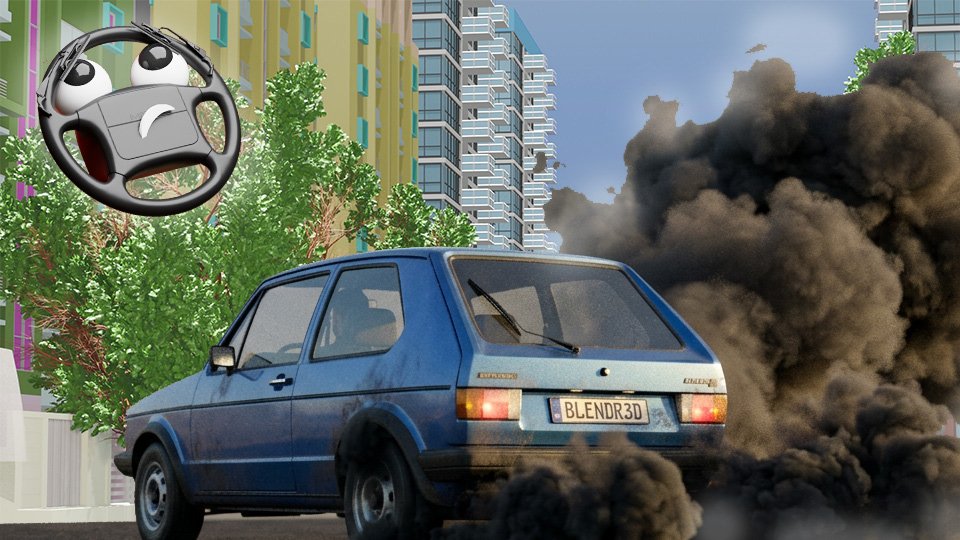
Squealing Belt vs. Squealing Brakes (How to Tell the Difference)

Two completely different problems make almost the same high-pitched sound. Here’s how to actually tell them apart.

Armando hears a squeal from somewhere under the hood one cold morning and has, genuinely, no idea whether it’s coming from his brakes or his belt — both are entirely plausible, both sound roughly similar to an untrained ear, and both call for a different response entirely.

⏱️ When It Happens Is the First, Best Clue

A squealing belt is typically most noticeable at startup, especially in cold or damp weather, and often eases up once the engine’s been running a few minutes — sometimes reappearing briefly when you turn the wheel sharply or the AC compressor kicks on, both of which add load to the belt. A squealing brake happens specifically and consistently when you press the brake pedal, and goes silent the instant you release it.

👂 Location Is the Second Clue

A belt squeal comes from the front of the engine bay, generally centered rather than tied to one specific wheel. A brake squeal is localized to whichever wheel has the worn pad — often more noticeable from one side of the car than the other.

🔧 Why the Belt Squeals

A worn, glazed, or slightly loose serpentine belt slips against its pulleys under load rather than gripping cleanly — that slipping friction is what produces the squeal, most pronounced exactly when the belt is asked to do more work: startup, hard turns, AC engagement.

🔧 Why the Brake Squeals

As covered elsewhere, this is very often a deliberate wear indicator tab doing its intended job — a built-in early warning that a pad is getting low, meant to be noticed specifically during braking and nowhere else.

🧭 Why Getting This Right Matters

Both point toward genuine maintenance items, but on different timelines and different parts entirely — chasing a belt problem when it’s actually a brake wear indicator (or the reverse) wastes time and can let the real issue continue unaddressed while you’re looking in the wrong place.

🔍 When In Doubt, Isolate It

Coast to a stop without touching the brake pedal at all — if the squeal continues while rolling and unrelated to braking, it’s the belt. If it disappears entirely until you press the pedal again, it’s the brakes.

🛠️ Gear Worth Having

ABN Mechanics Automotive Stethoscope Kit — pinpoint exactly where a noise is coming from instead of guessing by ear alone.

BILITOOLS Serpentine Belt Tool Kit — the tools needed to actually inspect or replace a belt once it’s confirmed as the source.

Camrusic Brake Pad Thickness Gauge — slide it against the pad through the wheel for an exact reading, so you can describe exactly how bad it is to a shop instead of just saying “it grinds.”

As an Amazon affiliate, I earn from qualifying purchases. Thank you for supporting GrumblePark.

🔗 Related Reads


GrumblePark is part of the WhistleBump group – find the rest of the family at WhistleBump.com.

47002

©2026 John D Reinhart/GrumblePark.com — All rights reserved
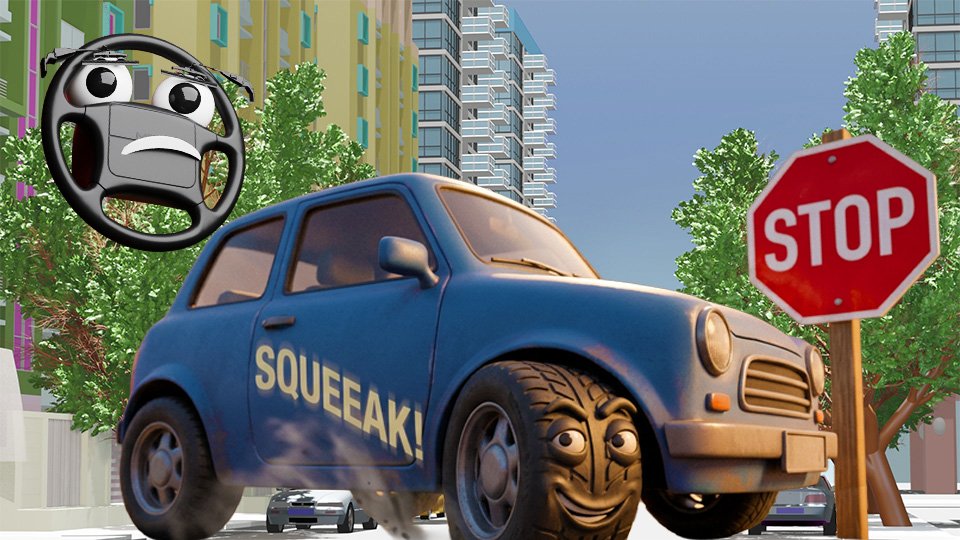
Grinding When You Brake: What It Actually Means

Grinding when you step on the brakes has one dominant cause, and it’s the one you were warned about with a much quieter sound first.

Amanda hears a distinct grinding sound the moment she touches the brake pedal one morning — not new, exactly, more like it’s been building for a couple of weeks and finally arrived somewhere she can’t ignore it.

🔴 The Overwhelming Likely Cause

Modern brakes work like this: each wheel has a thin, flat metal disc called a rotor, mounted so it spins right along with the wheel. When you press the brake pedal, a clamp-like part called a caliper squeezes two brake pads against either side of that spinning rotor — the friction between the pads and the rotor is what actually slows the car down and eventually stops it. Those pads are made from a heat-resistant material for a reason: they’re converting your car’s motion into heat, over and over, thousands of times over their working life.

Grinding under braking is, in the vast majority of cases, those brake pads worn down to their bare metal backing — the friction material is gone, and the pad’s metal backing plate is now grinding directly against the rotor. It’s rarely a mystery cause; it’s almost always this one, arrived at through simple neglect of an earlier, quieter warning.

🔔 The Warning That Came Before It

Most pads include a wear indicator tab specifically designed to squeal against the rotor before the pad is actually gone — a high-pitched sound meant to be annoying enough to notice. Grinding is what happens when that squeal gets ignored long enough for the pad material underneath it to fully disappear.

⚠️ Why This Isn’t a Wait-and-See Symptom

Metal-on-metal contact provides meaningfully less and less consistent friction than the engineered pad material — your car is measurably worse at stopping right now than it was a week ago, and it will keep getting worse the longer this continues, including active damage to the rotor surface underneath.

💰 The Cost of Waiting, Specifically

A pads-only replacement is a moderate, routine job. Grinding metal against a rotor gouges and scores that rotor’s surface, turning what should have been a simple pad swap into a pads-and-rotors job at meaningfully higher cost — the exact expense the earlier squeal was trying to help you avoid.

✅ What to Do Right Now

Stop driving on it beyond what’s necessary to get it looked at — gentle, cautious driving to a shop or a driveway repair, not a normal commute schedule. This is squarely in the get-it-done-this-week category, not the eventually category.

🛠️ Gear Worth Having

  • Camrusic Brake Pad Thickness Gauge — slide it against the pad through the wheel for an exact reading, so you can describe exactly how bad it is to a shop instead of just saying “it grinds.”
  • HeroBeam Car Emergency Flashlight (Twin Pack) — a simple magnetic flashlight to actually see the worn pad through the wheel spokes for yourself — no tools, no disassembly, just a clear look before you decide how urgently to act.
  • XOOL Emergency Warning Triangle Kit — worth keeping in the trunk regardless, and especially useful if the grinding is bad enough that you’d rather wait for a tow than keep driving on it.

As an Amazon affiliate, I earn from qualifying purchases. Thank you for supporting GrumblePark.

🔗 Related Reads


GrumblePark is part of the WhistleBump group – find the rest of the family at WhistleBump.com.

47001

©2026 John D Reinhart/GrumblePark.com — All rights reserved
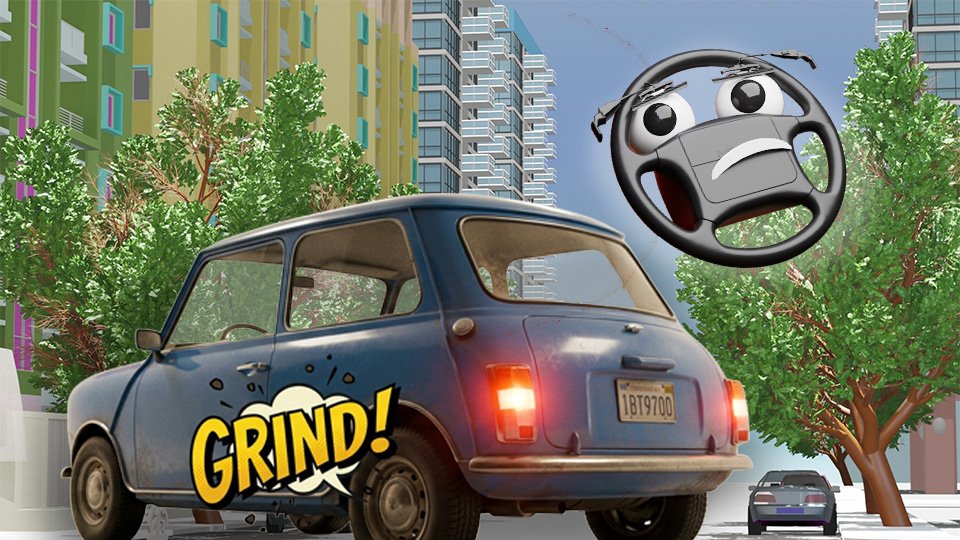
Knocking Under Acceleration: When to Worry

Knocking under acceleration ranges from harmless to genuinely serious, and the speed at which it changes is the key clue.

Armando presses the gas pedal to merge onto the highway and hears a distinct knocking sound that gets faster as the engine revs — ducka-ducka-ducka from under the hood. It goes away when he slows down, but comes back when he hits the gas. What’s going on?

🔥 Engine Knock: The One Worth Taking Seriously

The internal combustion engine has been around for over a hundred years. If you put gas in your car, you have one.

It burns a precisely mixed combination of oxygen and gasoline. The gasoline is atomized into a super-fine spray by your fuel injectors at the top of each cylinder. It meets a precisely timed spark from the spark plug and ignites, driving the piston down and turning the engine — thousands of times a minute, every single one timed to the split second.

When something disrupts that timing, you can hear what’s called knock, detonation, or pre-ignition — a metallic, rhythmic knocking that gets more pronounced under acceleration and load. It’s the sound of fuel igniting on its own, slightly ahead of schedule, instead of waiting for the spark plug to set it off on cue.

A few things can cause it:

Using a lower octane fuel than your engine actually needs

A failing knock sensor

Carbon buildup inside the cylinders

⛽ The Fuel Test Worth Trying First

Most often, the culprit traces back to the octane rating of the gas in the tank — not the brand on the sign, and not how busy the station looks.

Octane rating measures how resistant a fuel is to igniting on its own under heat and pressure, before the spark plug fires it on schedule. Higher-compression engines — the kind found in a lot of performance and turbocharged cars — build up enough heat and pressure inside the cylinder that a lower-octane fuel can ignite prematurely all by itself. That early, uncontrolled ignition colliding with the piston’s normal motion is exactly what knock sounds like. Higher octane doesn’t burn faster or hit harder — it resists igniting early, which is precisely what a high-compression engine needs it to do.

If your car’s manual specifies premium, that’s not a suggestion — it’s telling you the engine’s compression is high enough that regular octane genuinely isn’t enough to prevent this. Running premium in a car that only requires regular won’t hurt anything, but it also won’t fix a knock that has a different cause.

Fuel quality does matter too, separately from octane — gas that meets the industry’s “Top Tier” detergent standard (a lot of major and independent brands alike do) keeps injectors and valves cleaner over time, which helps prevent the carbon buildup that can also cause knock. It’s a slow, cumulative thing, though — not something one bad tank typically causes overnight.

If your engine is knocking, slow down, ease off hard acceleration, and get to a gas station for the octane your manual actually specifies. Drive gently until you can get a mechanic to take a listen, especially if the knock doesn’t clear up on the next tank.

⚠️ Why Genuine Engine Knock Isn’t Ignorable

Sustained knocking can cause real, expensive damage to pistons and cylinder walls over time — this is one of the noises on this list where “get it looked at soon” genuinely means soon, not eventually.

🔧 The More Common, Less Alarming Cause: An Exhaust Leak

A cracked exhaust manifold or a loose exhaust connection often produces a knocking or ticking sound that also changes with engine speed, since exhaust flow (and any leak in it) scales with how hard the engine is working — genuinely worth fixing, but a different category of urgency than actual detonation.

🔊 How to Tell Them Apart by Ear

Exhaust leaks tend to sound more like a rhythmic tapping or popping, often audible even at a steady idle if the leak is significant, and typically traceable to a specific spot along the exhaust path. True engine knock sounds deeper and more metallic, is heavily load-dependent (louder specifically under acceleration, quieter at steady cruise), and doesn’t correlate with a visible or accessible leak point.

🛠️ Gear Worth Having

As an Amazon affiliate, I earn from qualifying purchases. Thank you for supporting GrumblePark.

🔗 Related Reads


GrumblePark is part of the WhistleBump group – find the rest of the family at WhistleBump.com.

47004

©2026 John D Reinhart/GrumblePark.com — All rights reserved
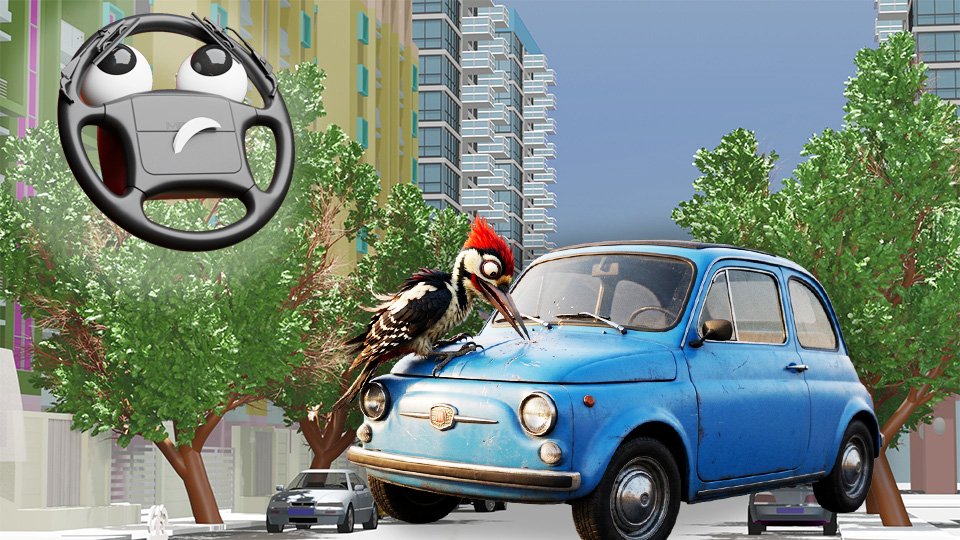
Clicking Noise When Turning: The Usual Suspects

A clicking noise specifically when you turn has a short, specific list of usual suspects. Here’s how to narrow it down.

Amanda notices a rhythmic clicking sound that only shows up when she turns into her driveway — present on the turn, gone the instant she straightens out. Nice diagnostic skills, Amanda! That timing is a genuinely useful clue about where to start looking.

🔧 The Most Common Cause: A Worn CV Joint

If your car is front-wheel drive, and most are, the motor turns the transmission, which turns the drive wheel of the car. Between the transmission and the wheel is something called a Constant Velocity (or CV) joint. It allows the wheel to ride up and down over bumps and steer with the steering wheel while providing smooth, consistent power from the transmission.

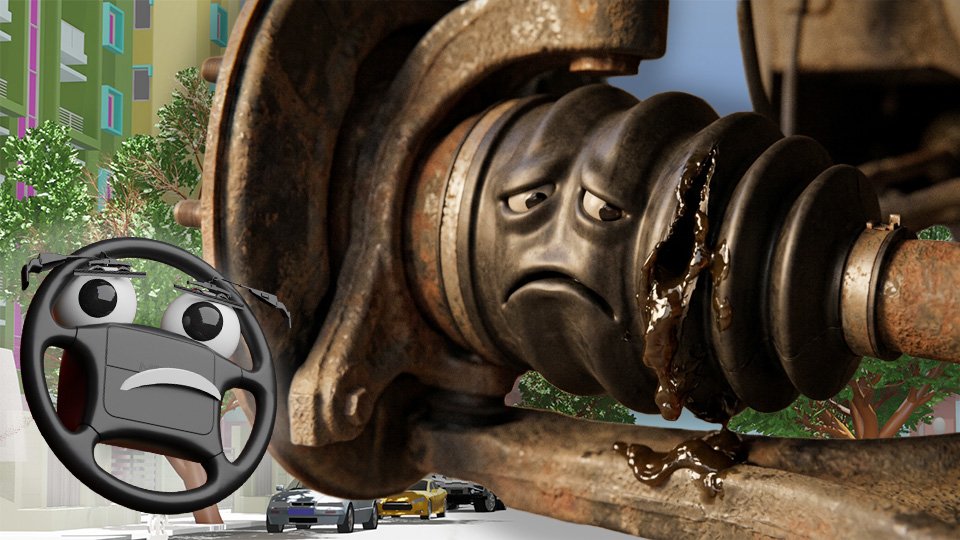
The CV joint has a rubber boot over it. The boot, packed with grease, keeps dirt and water and stuff out of the bearings in the CV joint.

A worn or damaged CV joint, especially one with a torn protective boot letting grease escape and dirt in, produces a distinct clicking or popping sound specifically when turning, most pronounced during tight, low-speed turns like parking lot maneuvers.

🔍 A Quick Way to Check the Boot

The rubber boot covering the CV joint is visible from underneath, near where the axle meets the wheel hub.

Take a flashlight with you. Look for a torn boot, or grease flung around the inside of the wheel well. If you see those things, it’s visible confirmation that the CV boot has gone south.

🛎️ Other Suspects Worth Ruling Out

A worn wheel bearing can produce noise that changes with turning, though it’s often more of a humming or grinding that changes pitch with speed rather than a sharp click.

Loose or worn suspension components — sway bar links, ball joints — can also produce a clicking or clunking specifically under the twisting load of a turn. But that noise is more often a thunk than a clicking.

⚠️ Why a Torn CV Boot Isn’t a Wait-It-Out Problem

Once the protective boot tears, the joint’s grease escapes and road grit gets in — a joint that was fine yesterday starts wearing rapidly once that protective barrier is gone.

A torn boot caught early is a relatively inexpensive fix; a fully failed CV joint (which can eventually separate) is a considerably bigger repair and, in the worst case, a safety issue.

🔊 The Stethoscope Trick

If your adventurous, you can use an automotive stethoscope to pinpoint the exact source of the noise.

  • Turn the car’s wheel to one side.
  • Get the car up on a jack stand (never just on the jack)
  • Press a mechanic’s stethoscope pressed the CV joint
  • Have as assistant gently rock the wheel from side-to-side

This method will help you more precisely identify the source of the clicking. In either case, the car will need to go into the hands of an experienced mechanic.

🛠️ Gear Worth Having

ABN Mechanics Automotive Stethoscope Kit — isolate exactly which component is clicking rather than guessing from the driver’s seat.

TEKTON 1/2″ Drive Click Torque Wrench — confirm wheel and suspension hardware is properly torqued, ruling out simple looseness before assuming a worn part.

Autel AL319 OBD2 Scanner — some wheel speed sensor issues tied to bearing wear will throw a code worth checking.

As an Amazon affiliate, I earn from qualifying purchases. Thank you for supporting GrumblePark.

🔗 Related Reads


GrumblePark is part of the WhistleBump group – find the rest of the family at WhistleBump.com.

47003

©2026 John D Reinhart/GrumblePark.com — All rights reserved
Rattling at Idle vs. Rattling Over Bumps

A rattle that only happens at idle and a rattle that only happens over bumps point to almost entirely different parts of the car.

Armando’s car develops a rattle that he can only ever seem to catch at a red light, engine idling — completely silent the moment he starts moving, which frustrates every attempt to diagnose it while actually driving around.

🔥 Rattling at Idle: Often a Heat Shield

Almost every car has an exhaust shield. It’s a thin metal panel protecting nearby components and the car’s underside from exhaust heat.

The shield can come loose, making it one of the most common sources of an idle-specific rattle. At low engine RPM, the vibration at idle is often exactly the frequency that sets a loose shield buzzing. The same shield may stay quiet once road noise and higher RPM change the vibration pattern during actual driving.

🔁 About RPM

RPM stands for revolutions per minute — literally how many complete spins your engine’s crankshaft (the rotating shaft that turns the engine’s up-and-down piston motion into the spinning motion that eventually drives your wheels) makes every sixty seconds.

At idle — engine running, car in park or stopped at a light, foot off the gas entirely — most engines settle in somewhere around 600 to 1,000 RPM, just enough spinning to keep everything alive and the accessories running without stalling out. Press the gas pedal and you’re asking the engine to spin faster, which is exactly what climbing RPM means; ease off and it settles back down toward idle again.

The tachometer — the dial usually sitting right next to your speedometer in most vehicles (electric and hybrid vehicles usually don’t have one), numbered in thousands (a needle sitting on the “3” means 3,000 RPM, not 3) — is simply a window into a number your engine already knows about itself in real time.

Here’s why it’s worth understanding at all, beyond trivia: Idling RPM, like at a red light, is a very specific, very narrow band of vibration — low, steady, repetitive, almost like a single note held at a constant pitch. Driving RPM is a completely different note, changing constantly as you accelerate, cruise, and slow down. A loose part under your hood can sit there in total, undetected silence at one particular vibration frequency and then rattle like it’s trying to get your attention the moment the engine settles into a different one.

That’s the whole mystery behind a rattle that only shows up at a red light and vanishes the second you start rolling again — it’s not haunted, and it’s not your imagination. It’s just idle RPM finding the one frequency that loose heat shield was always waiting to complain at.

🔧 Why It’s Genuinely Minor, Usually

A rattling heat shield is annoying rather than dangerous in most cases — a couple of missing or rusted-through mounting clips is a common, inexpensive cause, sometimes fixable with a simple clamp or wire tie in a pinch, properly reattached with new hardware when convenient.

🚥 Rattling Over Bumps: A Different Category Entirely

A rattle or clunk specifically triggered by bumps, potholes, or uneven pavement — quiet on smooth road, quiet at idle — points toward suspension components: worn sway bar end links, loose strut mounts, or something as simple as an item shifting around in the trunk. This is a mechanically different question than the idle rattle, worth treating separately rather than assuming one explanation covers both.

🔍 The Elimination Process

Rule out the obvious first — an actual loose item in the trunk or under a seat is a genuinely common culprit for a bump-triggered rattle, and costs nothing to check. Beyond that, a mechanic’s stethoscope or simply having a passenger listen from outside the car while you drive slowly over a curb can help localize a persistent one.

⚠️ When a Suspension Rattle Is Worth Real Attention

A clunk over bumps paired with any change in how the car handles — more body roll, a pull to one side, unusual tire wear developing — suggests something beyond a simple loose clip and is worth a proper inspection rather than continuing to just live with the noise.

🛠️ Gear Worth Having

ABN Mechanics Automotive Stethoscope Kit — localize an idle rattle to the specific heat shield or bracket that’s loose.

BILITOOLS Serpentine Belt Tool Kit — belt-area rattles at idle sometimes trace back to a loose accessory bracket this tool gives you access to.

Autel AL319 OBD2 Scanner — rule out an unrelated sensor or mount issue that might be contributing to what sounds like a simple rattle.

As an Amazon affiliate, I earn from qualifying purchases. Thank you for supporting GrumblePark.

🔗 Related Reads


GrumblePark is part of the WhistleBump group – find the rest of the family at WhistleBump.com.

47006

©2026 John D Reinhart/GrumblePark.com — All rights reserved